
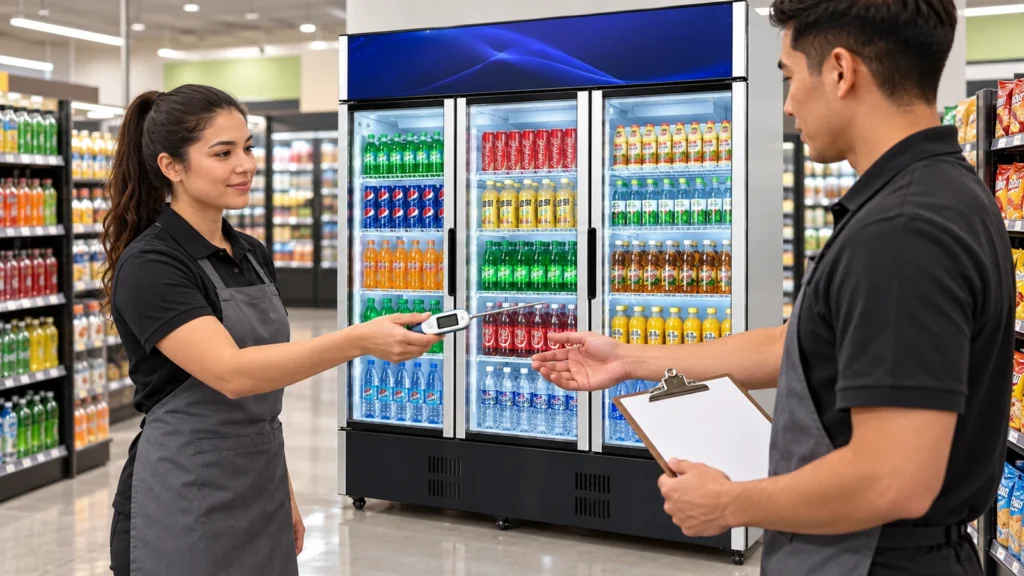
“The cooler is warm” gives a service team almost nothing to diagnose. A useful handoff identifies the cabinet, separates controller display from an independent measurement, records door and loading events, and shows when the condition occurred. The goal is evidence, not an improvised repair.
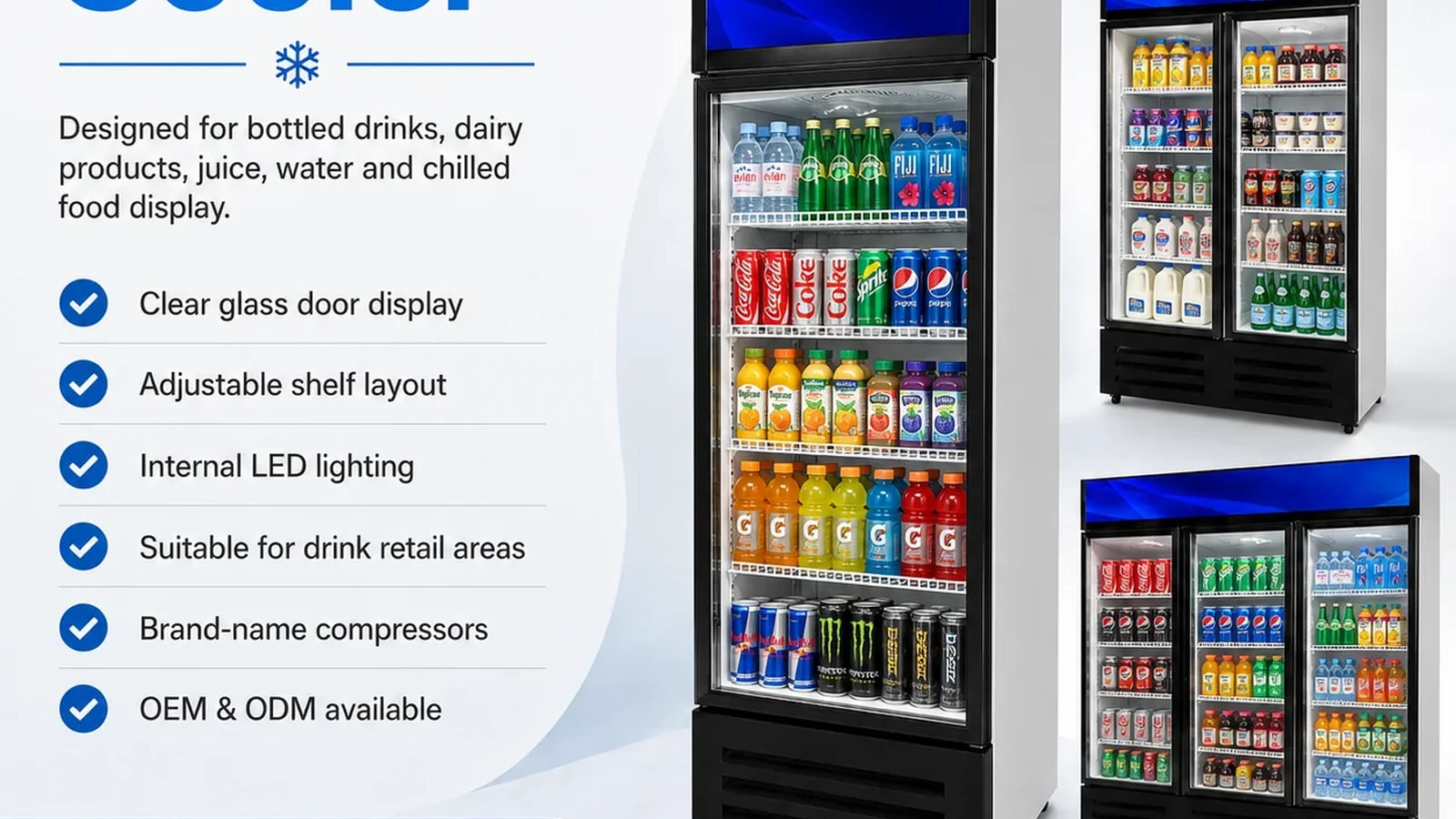
The ICEAGE beverage cooler range is an upright glass-door chilled-display product line documented for 0–10°C operation. Available capacity and door-count variants include 400 L one-door, 875 L two-door and 1300 L three-door models. A log should name the exact model because observations from one cabinet cannot automatically be applied to another.
Identify the Cabinet Before Taking Readings
Copy the model and other permitted identity fields from the nameplate or order record. Add the store, cabinet location, door count, service reference and the person recording the observation. Photograph the full cabinet and the nameplate separately. Keep serial or customer-sensitive details in the private service record rather than publishing them.
The previous beverage-cooler door-seal observation guide shows why exact times and door positions matter. A temperature log can reference that inspection, but it should not assume that every temperature concern is caused by a seal.
Separate Four Different Numbers
Record the controller setpoint, the controller's displayed temperature, the independently measured air or product reading, and the allowed range defined by the store or product-handling procedure. Label each value clearly. They are not interchangeable.
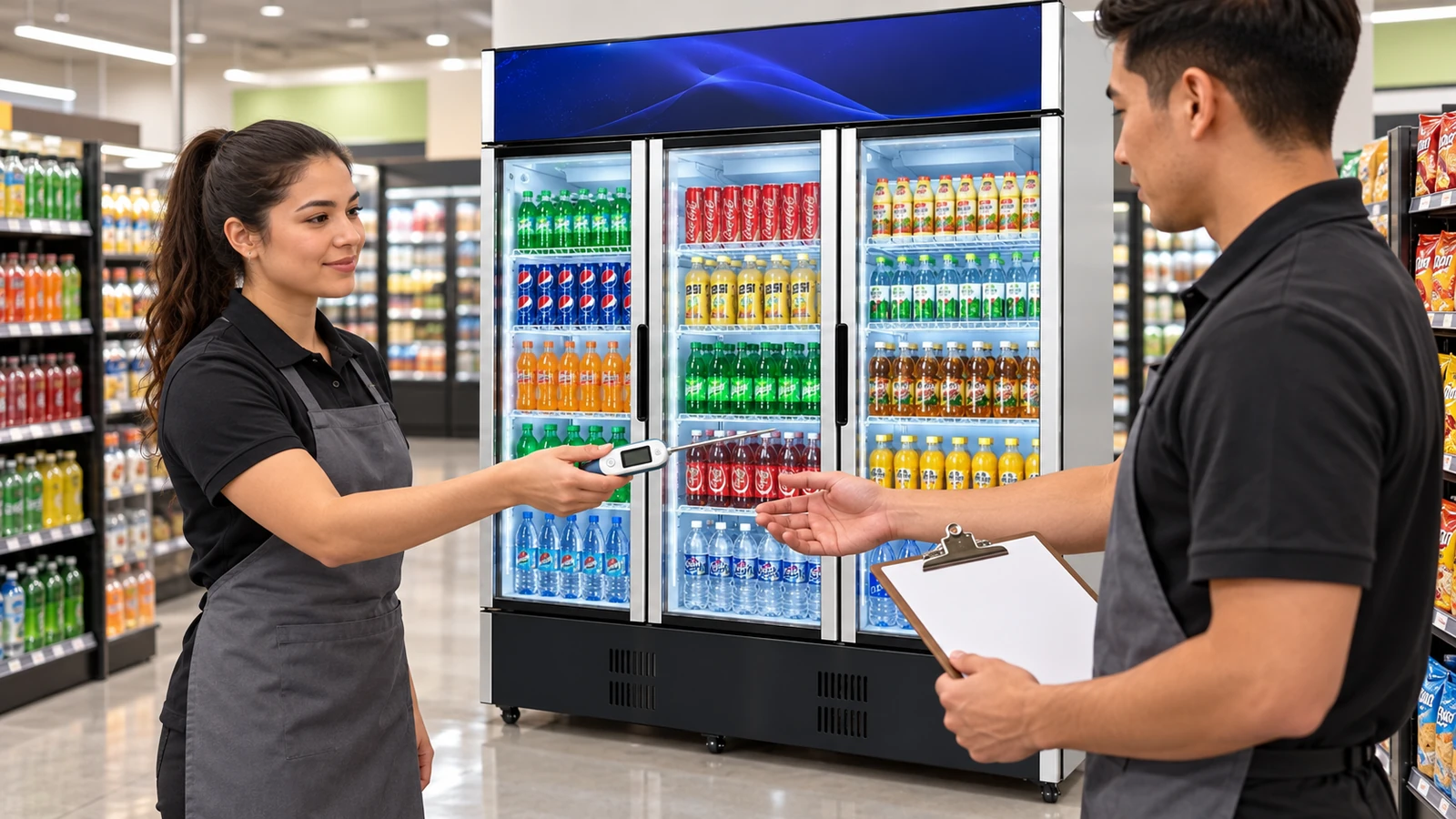
Use a suitable, verified thermometer according to the approved method and the store's food-safety procedure. Record the measurement location, item or medium, time, instrument ID and method. Avoid placing a sensor where it blocks airflow or interferes with stock. Regulatory and food-safety acceptance belongs to the responsible local operator, not to a generic equipment article.
Add the Events That Explain the Reading
For every reading, note recent door openings, restocking, warm product loading, power interruption, cleaning, cabinet relocation or changes to shelf arrangement. Record room conditions only when a reliable measurement is available. A statement such as “busy period” is less useful than an actual time range and observed door activity.
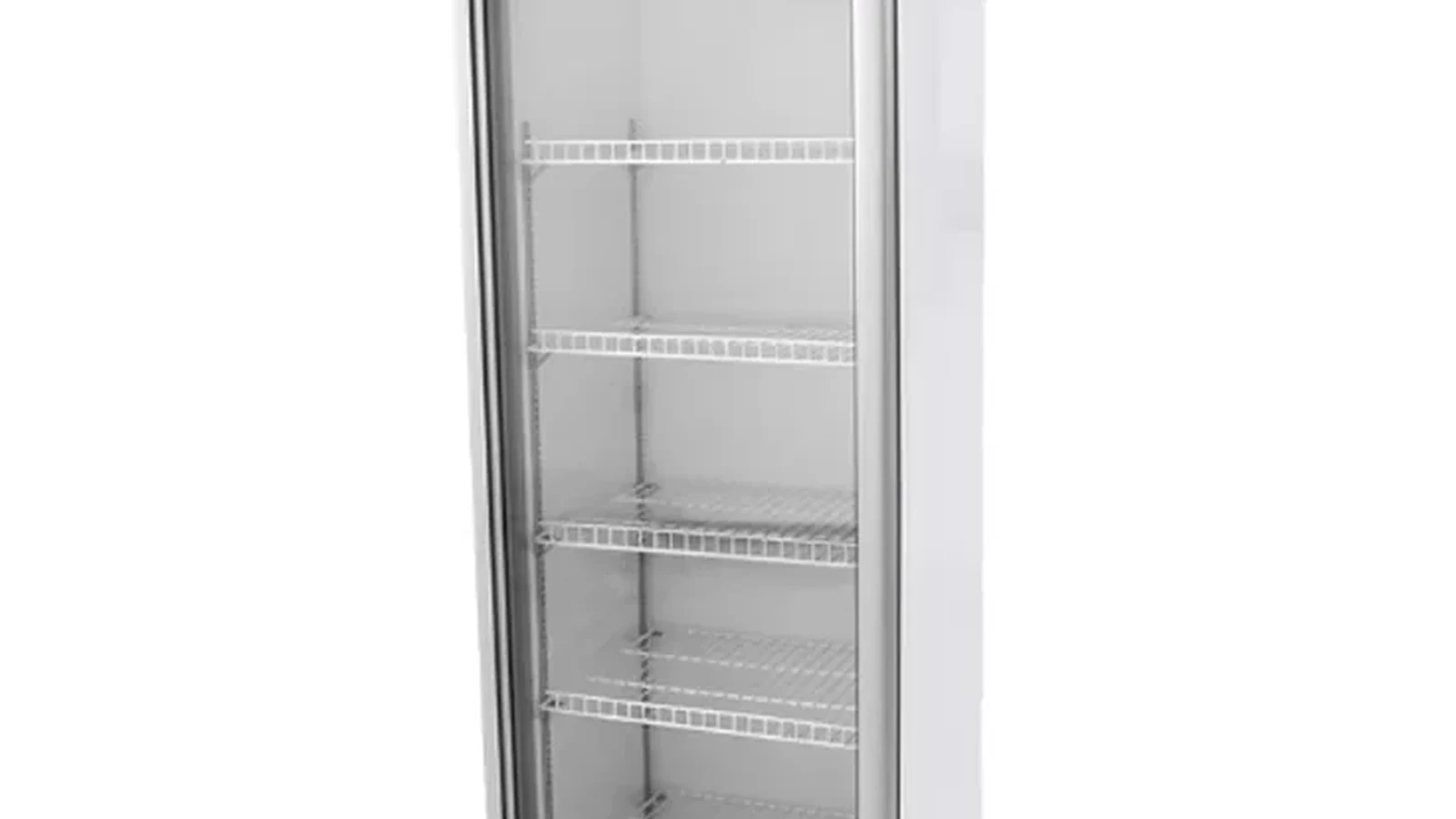
Keep products within the operator's approved loading lines and air paths. If the cabinet has just been heavily restocked, record what changed and when. Avoid declaring a fault from one reading taken immediately after an operating event.
Use a Short, Repeatable Observation Window
Choose intervals with the supplier or qualified service team. Keep the same measurement method across the observation period. A table should include timestamp, setpoint, display value, independent reading, measurement location, door event, loading event, power status, visible condition and initials.
Escalate immediately under the store's safety and food-handling rules when product condition is at risk. Move or dispose of product only under the responsible operator's procedure. This article does not set food-safety limits or authorize electrical or refrigeration work.
Hand Off Evidence Without Rewriting It
Send the original log, full-cabinet photo, nameplate photo, controller photo, independent-instrument details and a concise description of the concern. Mark any gaps. A complete record lets the supplier distinguish model identity, observed conditions and operating events before asking for the next safe check.
Related Beverage-Cooler Checks
- Record glass misting by time, location and operating event
- Lock beverage-cooler voltage and plug details before production
- Identify the exact cooler before requesting shelves or door parts
Request a Model-Specific Review
Send the cabinet model, store location, controller photos, independent reading method, observation times, door and loading events, power notes and service history through the ICEAGE contact page. Ask which additional evidence the supplier or qualified service team needs before arranging the next check.