
A beverage-cooler buyer should never release production with “standard voltage and plug” on the order. The destination, exact cabinet model, local supply requirement, plug, cord and nameplate need one signed record. Otherwise, a correct 400 L, 875 L or 1300 L cabinet can arrive with an electrical configuration the importer did not approve.
ICEAGE lists voltage and plug among available OEM decisions, but the public product page does not publish one universal electrical value for every country. That is a reason to confirm the production configuration, not permission to invent it from the buyer's market.
Identify the Exact Cabinet Model First
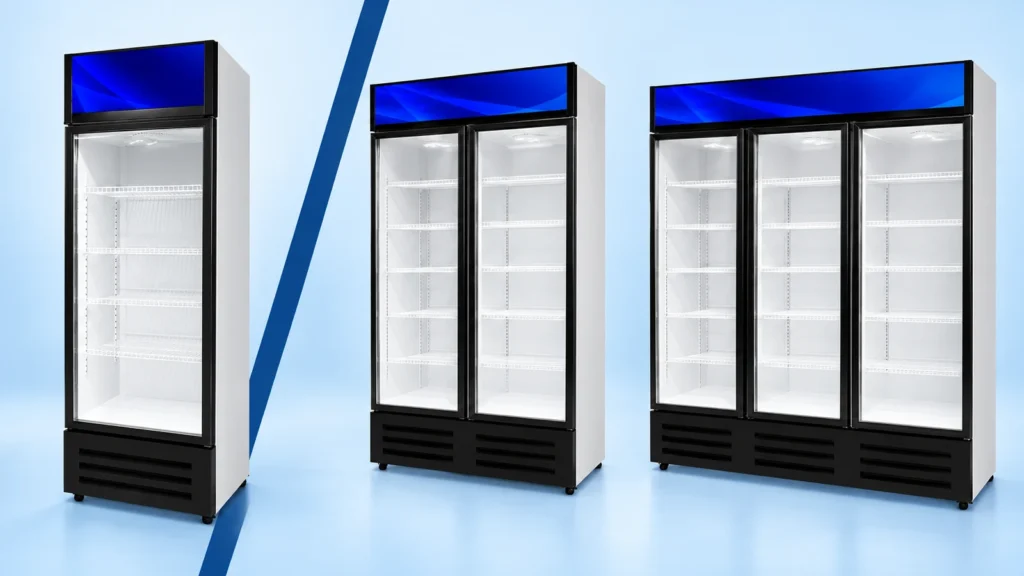
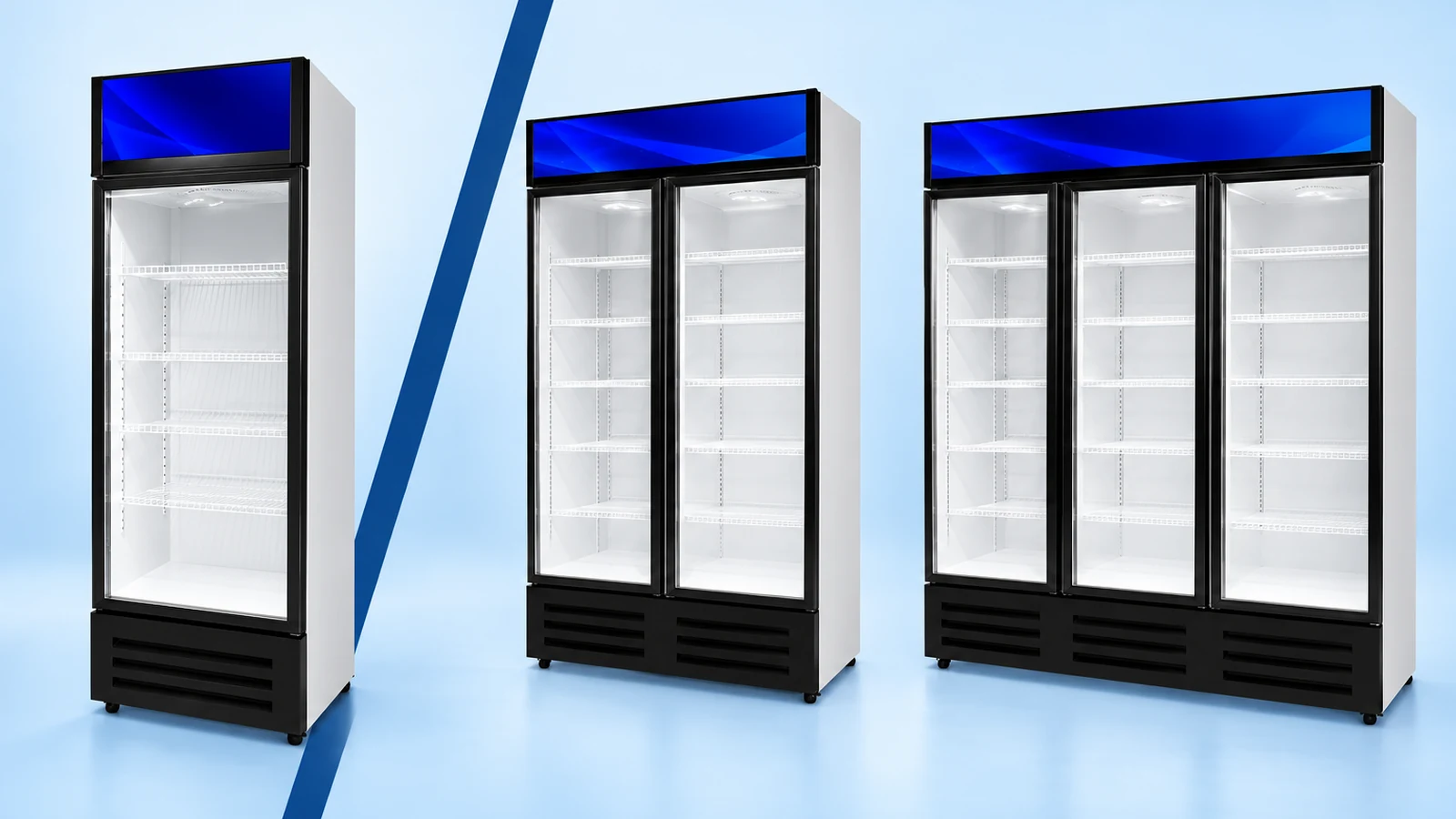
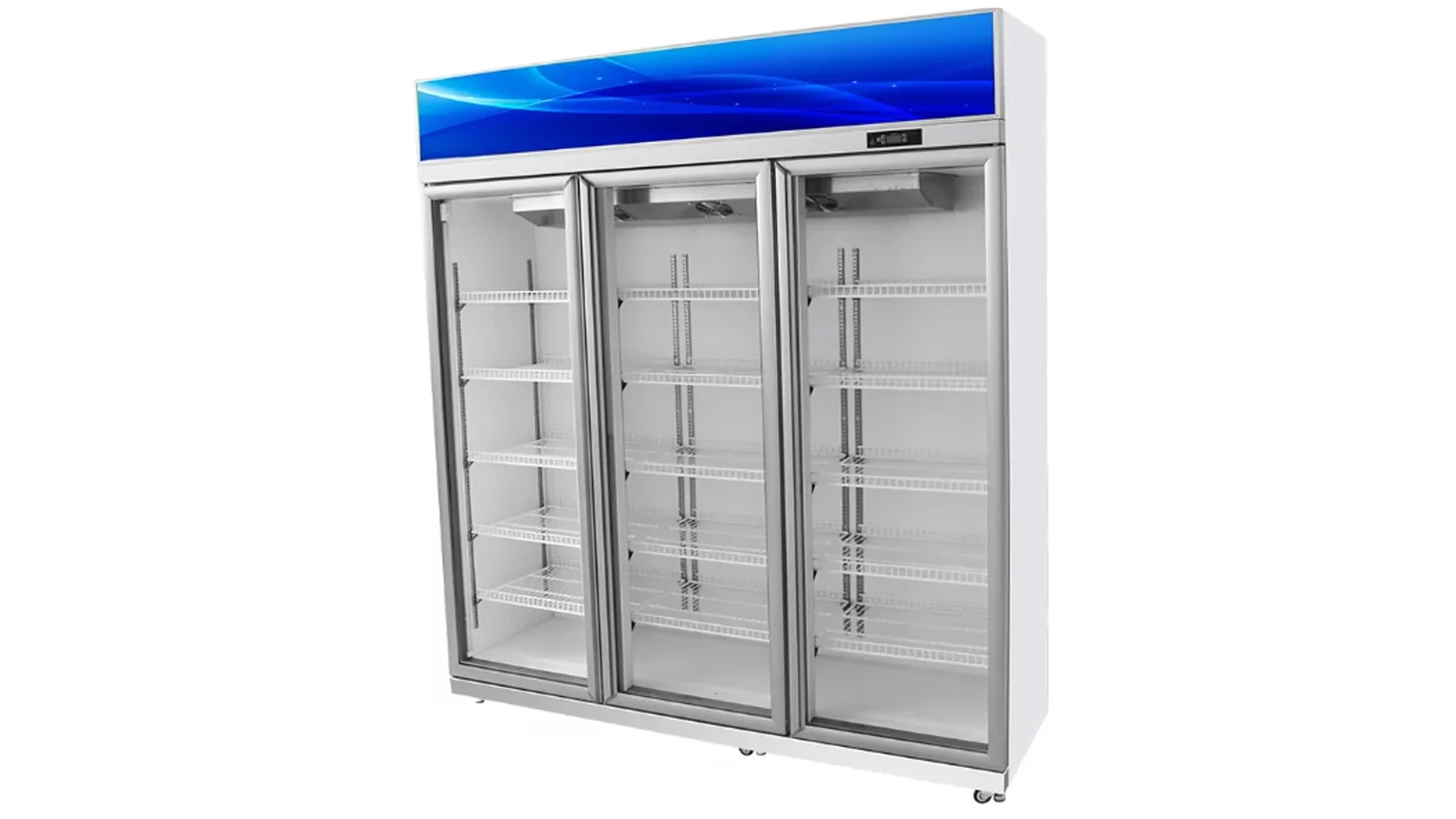
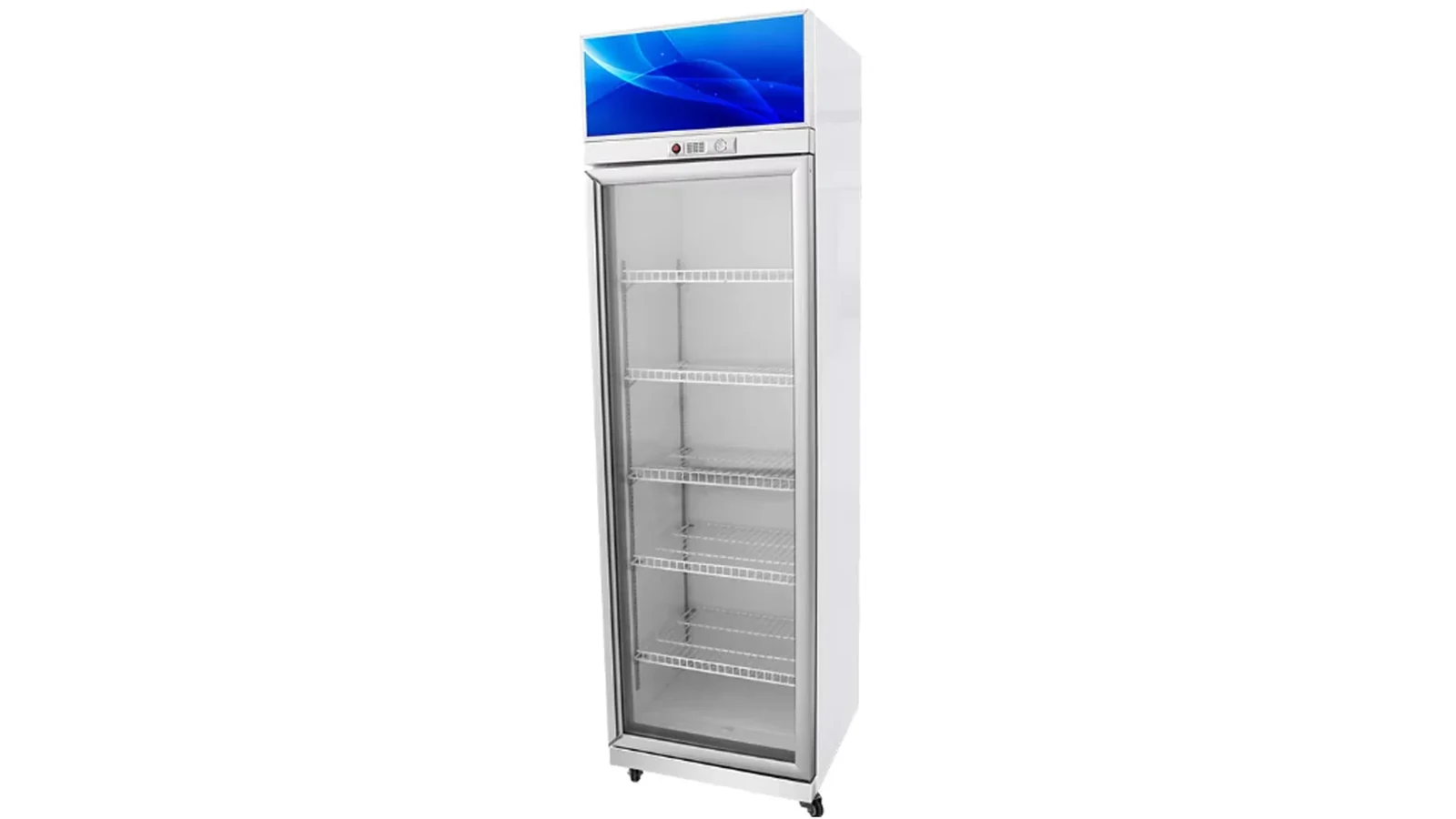
The current commercial glass-door beverage cooler range contains three documented sizes. The 400 L model is one door, the 875 L model is two doors, and the 1300 L model is three doors. All are listed for 0–10°C, direct cooling, LED lighting and at least five adjustable shelf levels.
Keep the electrical approval tied to the model and quantity. A country-level statement by itself does not prove that every cabinet in a mixed order shares the same component, rated input or label. The page records 92 W for 400 L, 148 W for 875 L and 218 W for 1300 L; those are model-row rated inputs, not energy-cost predictions and not substitute evidence for supply voltage or plug.
The rated-input comparison for 92 W, 148 W and 218 W beverage coolers explains how to keep power data on the exact model row. Use the same discipline for voltage and plug approval.
Build a Destination Electrical Schedule
Create one row for each model-destination combination. Include:
| Approval field | Evidence required before release |
|---|---|
| Destination | Country, city or project and importer entity |
| Cabinet | 400 L, 875 L or 1300 L model and quantity |
| Supply requirement | Buyer-provided local project requirement or approved standard |
| Plug | Photograph, drawing or recognized reference approved by buyer and factory |
| Cord | Length and exit requirement if specified and factory-confirmed |
| Nameplate | Draft showing model-bound electrical fields and label language |
| Document revision | File number, revision, approver and approval date |
| Change rule | Events that force another review before production |
Avoid copy voltage or frequency from a previous destination without written confirmation. Even within one country, a project consultant, retailer or importer may impose a particular standard. The factory should confirm feasibility and the buyer should confirm local suitability.
Approve the Plug as More Than a Shape
A plug photograph is useful, but it needs context. Record the reference, pin arrangement, grounding requirement, rating required by the project, cord entry and any certification or marking that the buyer expects. Ask the supplier to confirm the proposed component on the production record.
Avoid claims such as “works in all outlets” or “meets every market standard.” The public product evidence does not support them. Local electrical acceptance belongs with the buyer, importer and qualified local reviewer. The manufacturer can confirm the offered configuration; that confirmation does not replace local compliance responsibility.
For mixed-model orders, approve each row rather than attaching one plug picture to the purchase order cover sheet. If the 400 L, 875 L and 1300 L lines use the same confirmed configuration, state that explicitly with the applicable model list.
Reconcile Nameplate and Production Documents
The nameplate draft should identify the exact model and electrical fields the factory will apply. Compare it with the purchase order, technical sheet and approved electrical schedule. If marketing artwork, light-box branding or language options are also being approved, keep their revisions separate so a graphic change does not obscure an electrical change.
The beverage-cooler dealer sample approval workflow provides the broader sample-to-bulk control. Add voltage, plug, cord and nameplate to the sample record, then require a written deviation if production cannot match the approved sample.
At packing-list stage, preserve the same model and destination line. The beverage-cooler packing-list reconciliation method helps the distributor check that the dispatched cabinet identity matches the approved order. Receiving staff should also photograph the accessible nameplate without opening live electrical compartments.
Define Changes That Stop Release
Return the line to approval if the destination, model, supplier-confirmed electrical configuration, plug, cord, nameplate, label language or relevant component changes. A commercial request to substitute an “equivalent” plug is still a controlled change because the importer approved a specific evidence set.
Record hold, review and release states separately. Production should not interpret an unanswered email as approval. The final record needs an approver, date and revision that can be traced to the order.
Keep Temperature and Electrical Claims Separate
The three beverage-cooler models are listed for 0–10°C and direct cooling. Those product facts avoid prove performance under every ambient condition, loading pattern or installation. Likewise, rated input does not predict a site's energy bill. Keep temperature, rated input, voltage, plug and local compliance as separate fields, each with its own evidence.
This separation makes the RFQ more useful. It lets the supplier answer exactly what is offered and lets the importer identify what still requires local verification before the order is released.
Related Beverage-Cooler Guides
- Identify a beverage cooler before requesting replacement parts
- Beverage cooler door-count and shelf-layout guide
- Beverage cooler delivery-path check using listed dimensions
Request a Destination-Specific Review
Send the destination country and city, cabinet model and quantity, required supply standard, plug reference, cord requirement, label language, port and approved electrical document through ICEAGE contact. ICEAGE can confirm the offered production configuration without assuming that one setup fits every market.