
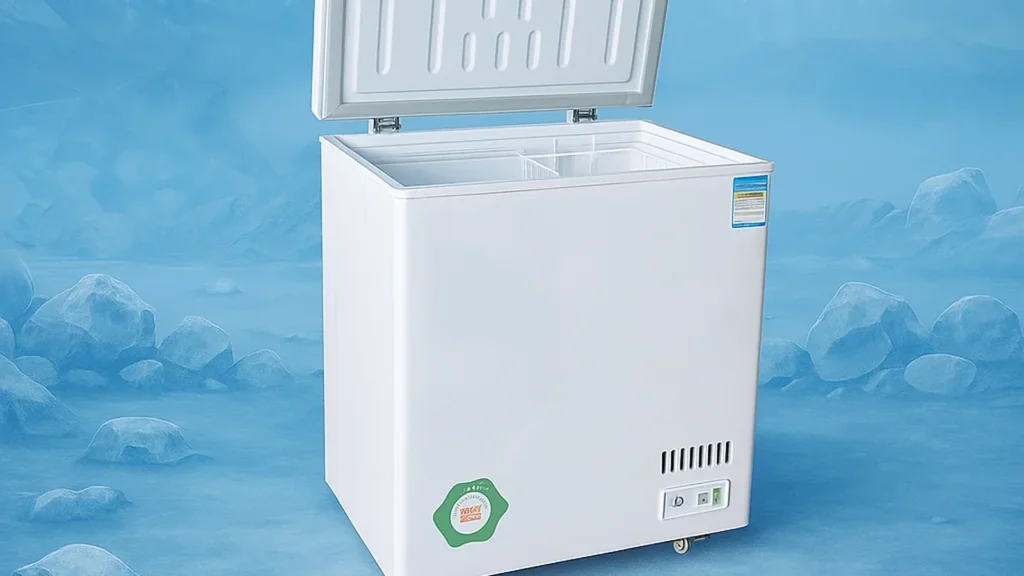
A new chest freezer should reach its first food load through a documented handoff, not a quick wipe followed by immediate stocking. The dealer or store team needs to identify the exact model, close the receiving inspection, remove packing materials, follow the supplier-approved cleaning method, dry every accessible surface, verify baskets and drain parts, complete the electrical check, and confirm stable operation against the site’s approved target.
For a Ghana distributor, this record also separates warehouse custody from store responsibility. It shows which cabinet was released, who cleaned it, which method was used, what remained pending, and when the operator accepted the empty unit. The workflow supports traceability without inventing a universal chemical, waiting time, or temperature setting.
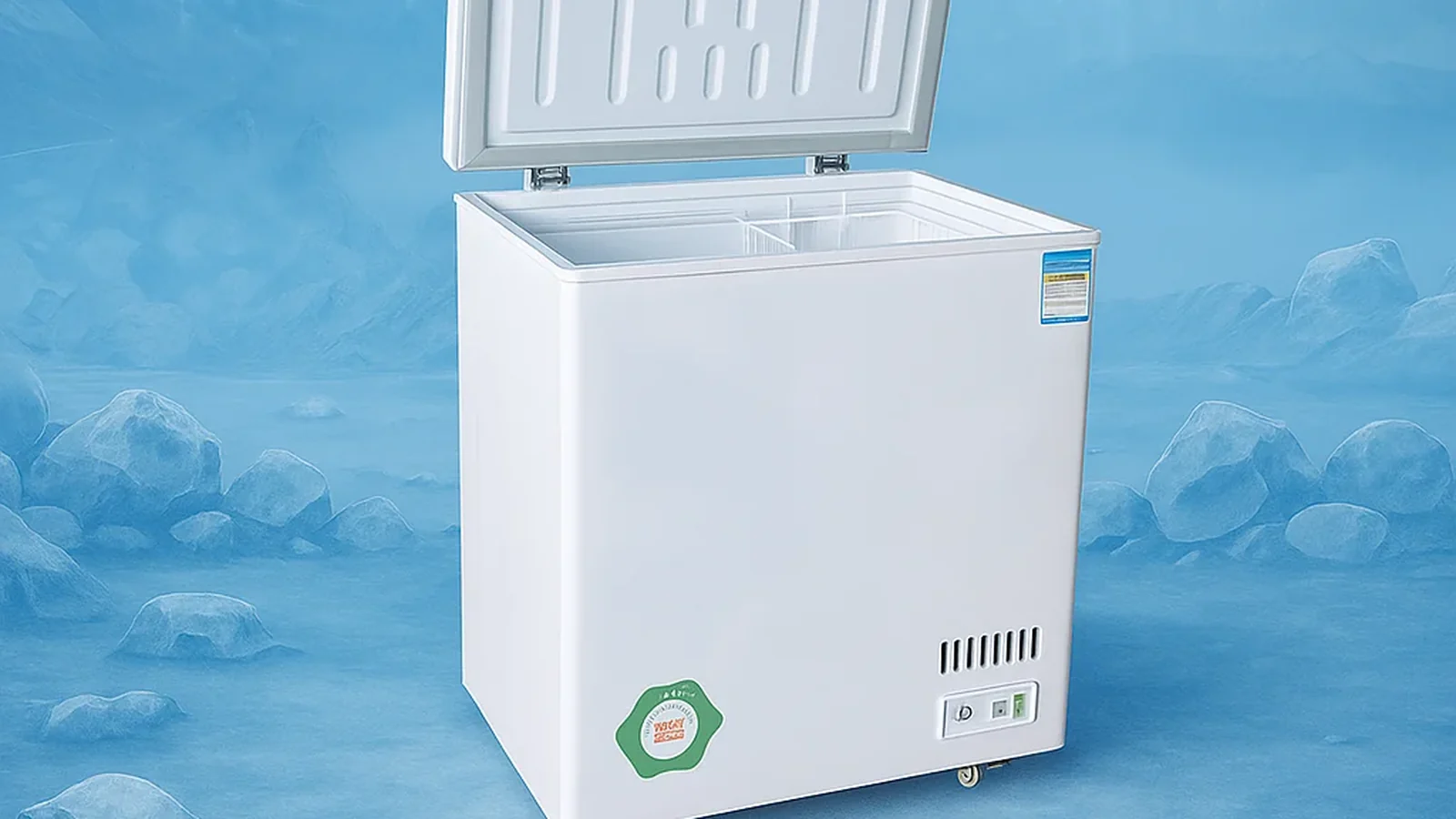
Identify the Cabinet Before Cleaning Begins
The current commercial chest freezer range contains eleven listed models from 150 L to 1300 L, including standard frozen-storage rows, a double-temperature 450 L option, and the IA-1110 deep-freezing model. Cleaning guidance, drain details, baskets, lids, controller, electrical data, and restart procedure should be checked against the supplied manual and exact production batch.
Record the following before removing internal packing:
- dealer, store, and location;
- model and serial number from the cabinet nameplate;
- purchase order, delivery note, and carton identity;
- lid type and quantity;
- listed capacity, voltage, frequency, and rated power from the current nameplate;
- refrigerant shown on the current unit;
- included baskets, dividers, drain parts, keys, plugs, manuals, or other accessories actually supplied;
- receiving-inspection status and any open damage report.
The chest-freezer receiving inspection after transit should be closed or placed on a named hold before sanitation starts. Cleaning can erase marks or move loose parts that matter to a freight or quality claim. Photograph the untouched cabinet and any exception first.
Keep the Cabinet Empty and Electrically Isolated
Move the unit to the approved cleaning area or protect the final position from water and debris. The cabinet stays empty, disconnected, and under the control of the trained person responsible for the handoff. Follow the manufacturer’s handling and settling guidance after transport; the correct timing depends on how the unit was moved and the supplied documentation.
Remove cardboard, foam, tape, plastic film, cable restraints, labels intended only for transit, and loose accessory packs. Keep the nameplate, required safety labels, model labels, and approved branding in place. Place baskets and removable parts in a clean identified area so they return to the same cabinet.
Check that the drain outlet and plug arrangement match the manual. If the model uses a removable drain plug for cleaning or defrost water, record its condition and custody. A missing or loosely refitted part can become a water-management issue later.
Approve the Cleaning Method for the Exact Site
The supplier manual and the operator’s hygiene program should agree on cleaning product, concentration, water temperature, contact method, rinsing requirement, cloth or tool, and drying procedure. Ghana dealers may serve supermarkets, frozen-meat shops, seafood retailers, ice-cream outlets, and convenience stores; each operator remains responsible for its applicable food-hygiene and workplace rules.
Avoid abrasive tools or unapproved chemicals that could scratch, cloud, stain, corrode, swell, or leave residue on the liner, gasket, coated surfaces, baskets, or drain components. Keep liquid away from electrical controls, switches, wiring openings, ventilation areas, and the compressor compartment. A qualified person handles any electrical or technical concern.
Write the approved cleaning method reference on the handoff. A note such as “cleaned normally” gives the next shift no evidence. A better entry names the supplier method or site procedure, product and dilution where applicable, cleaner’s initials, start and finish time, and any deviation approved by the responsible manager.
Clean in a Repeatable Sequence
Start at the lid and upper rim, then move through the empty interior in a pattern that prevents cleaned areas from being contaminated again. A practical sequence is:
- lid interior and accessible handle surfaces;
- gasket or sealing contact area;
- upper rim and basket supports;
- interior walls and corners;
- cabinet floor and drain area;
- removable baskets and dividers;
- exterior touch points and accessible body surfaces.
Inspect joints, corners, gasket folds, basket wires, and the drain zone under good light. Remove visible dust, packing fragments, adhesive residue, or manufacturing debris using the approved method. Record stains, scratches, odor, loose trim, distorted baskets, or a damaged seal as exceptions rather than trying to hide them during cleaning.
Dry Completely and Reconcile Every Removable Part
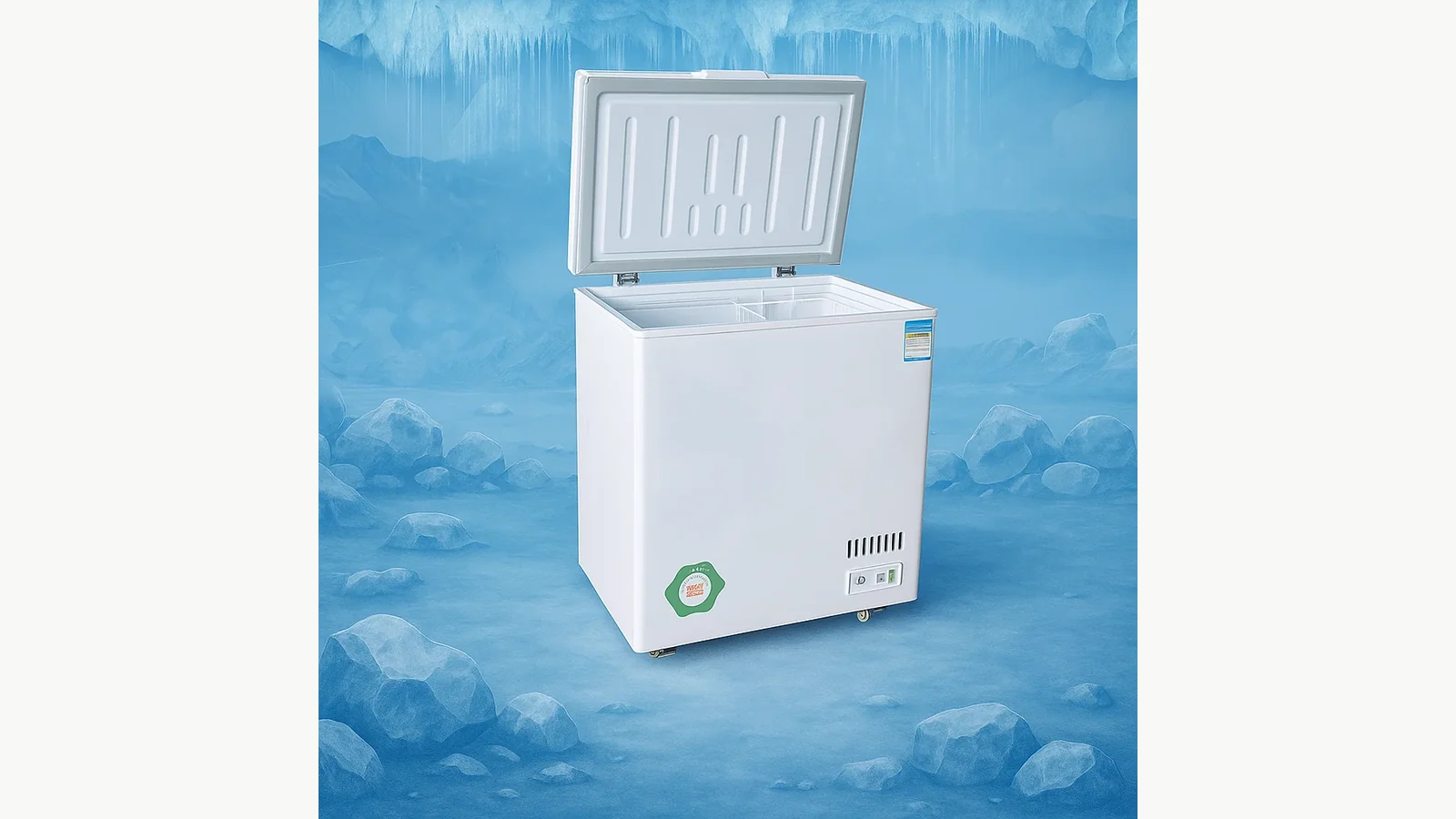
Drying is part of release, not an optional pause. Water remaining in corners, gasket folds, basket contact points, or the drain path can obscure inspection and affect the first operating check. Use the approved lint-free material and allow the cabinet to air dry as the procedure requires.
Inspect the empty interior again after drying. The sign-off should confirm that accessible surfaces are visibly clean and dry, no cleaning residue or foreign material is observed, the drain arrangement is restored, and every approved basket or divider is accounted for. Photograph the full interior, lid, drain zone, and accessory set.
Fit baskets and dividers according to the model and store plan. If an accessory appears incompatible, hold it with its label and model reference. Substituting a visually similar basket from another cabinet weakens both hygiene and spare-parts traceability.
Verify the Site Electrical Match Before Start-Up
The product range is listed around 220 V/50 Hz with voltage and plug customization available, while model power values vary from 95 W to 580 W. The actual nameplate, plug or connection, site supply, protective device, earthing, and local installation requirements must be checked for the delivered cabinet.
A qualified electrical person should confirm the match and record the result. A previous store’s setup or another model’s power value is not evidence for the new unit. The Ghana chest-freezer rated-power guide keeps nameplate input separate from energy-cost estimates and helps the team avoid turning a listed wattage into an unsupported operating-cost promise.
Keep the unit in its approved final position with required clearance, ventilation, floor support, lid travel, and service access. Then follow the manufacturer’s start-up procedure. Record start time, control setting or approved program, temperature measuring device, probe position, and the site’s release target.
Release Only After the Empty-Cabinet Check Is Stable
The operating period before loading depends on the exact model, manual, site condition, temperature target, and local procedure. Rather than publishing one universal duration, record the actual readings at defined intervals until the responsible person confirms the empty cabinet is stable for the planned product category.
Keep the release target model-specific. Most standard rows are listed at -20 to 0°C or -24 to 0°C, while only IA-1110 carries the -40 to 0°C deep-freezing range. The double-temperature IA-DOUBLE TEMP 1460 is a separate configuration. The store’s food-safety plan determines the product target within an approved equipment and operating arrangement.
Use a release table such as:
| Check | Evidence |
|---|---|
| Cabinet identity | model, serial, nameplate photo and delivery record |
| Receiving closure | PASS or named unresolved hold |
| Cleaning method | procedure ID, cleaner, materials and times |
| Interior condition | clean, dry, odor/residue observation and photos |
| Parts | baskets, dividers, drain components and manuals reconciled |
| Electrical match | qualified check and site reference |
| Start-up | time, setting, measuring device and reading sequence |
| Release | target met, approver, date and first-load authorization |
If a reading, odor, residue, damaged seal, missing part, or technical alarm remains unresolved, label the cabinet HOLD and record the responsible owner. The operator can then act on a clear exception without losing the rest of the handoff evidence.
Link the First Load to the Approved Use
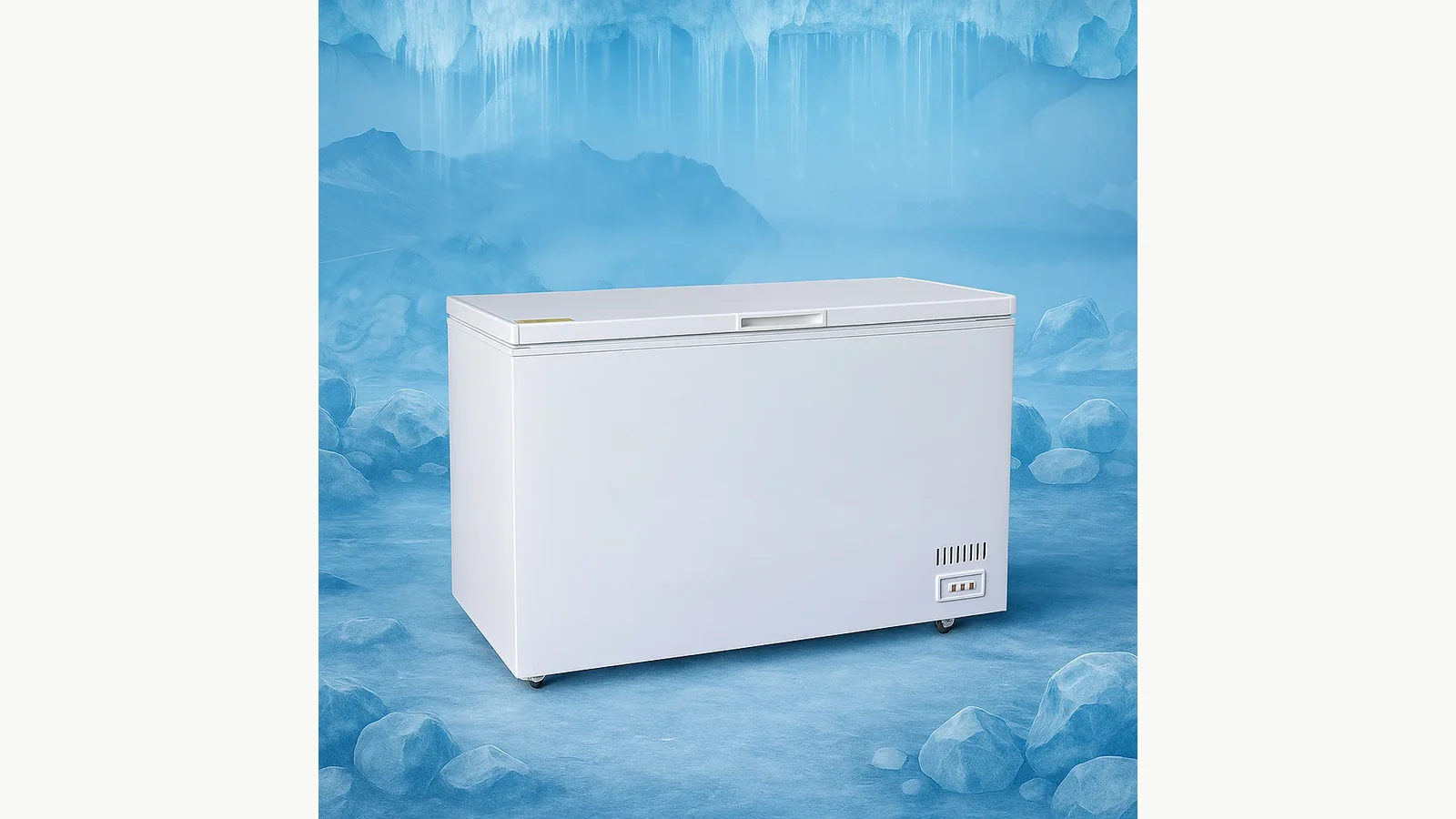
The first-load record should name the product category, packaging format, basket plan, loading boundary, responsible operator, and start time. Preserve airflow space and loading limits from the supplied manual. Avoid placing unverified packaging, loose liquids, or warm incoming stock into the cabinet merely because the empty reading passed.
Train the store team on lid closure, cleaning access, temperature records, defrost responsibility, exception escalation, and model identification for service. The separate manual-defrost workflow for retail chest freezers supports later operating care; the sanitation handoff covers only the new empty cabinet before its first load.
For an ICEAGE quotation or dealer deployment review, send the model and quantity, destination in Ghana, store type, intended frozen products, required temperature duty, voltage and frequency, plug or connection, lid option, basket plan, customization needs, delivery route, and sanitation handoff requirements. The supplier can then align the current data sheet, manual, accessories, and batch documents with the real site.