
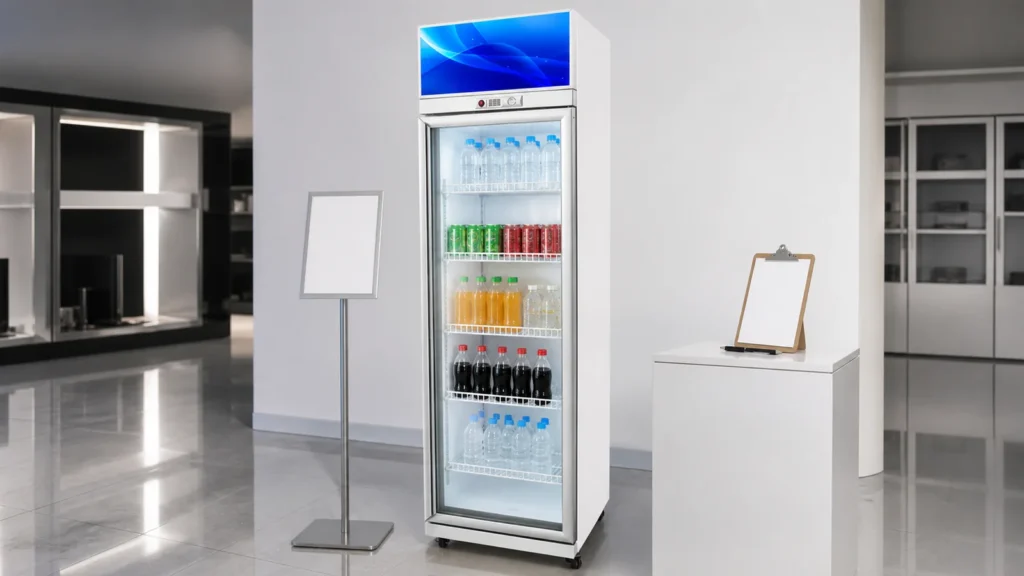
A beverage cooler placed in a dealer showroom is no longer ordinary untouched inventory. Shelves may be rearranged, protective film removed, artwork installed, doors opened repeatedly, sample products displayed, and documents separated from the package. If the unit is later sold, returned, retained as an approved sample, or moved to another dealer, its condition and included parts need a clear history. A demo-unit register preserves model, door count, shelf set, customization, condition, operating status, and commercial classification without implying a customer case or verified performance result.
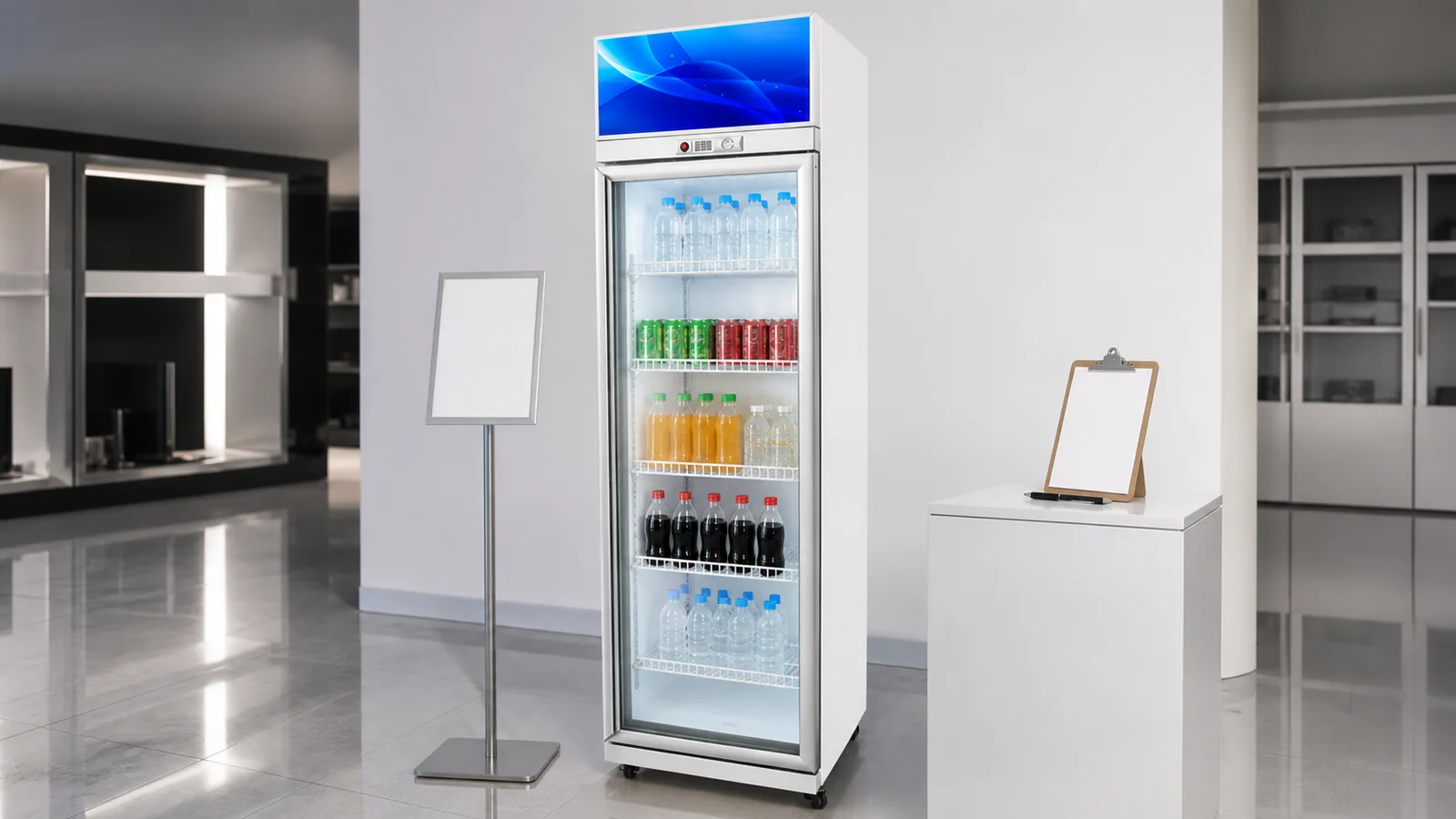
Authorize the Demo Conversion
which exact saleable unit becomes a showroom demo and what business purpose, duration, and destination apply For this beverage cooler dealer showroom demo unit control task, the responsible team should issue a cabinet-level authorization before package opening or configuration changes. At authorize the demo conversion, verify the beverage cooler dealer showroom demo unit control condition together with its identity before the working state changes.
At the authorize the demo conversion stage, retain unit and package ID, model, door count, capacity, dealer, showroom location, purpose, start date, owner, and planned end status. Link each photograph, count, mark, drawing, or note to the beverage cooler dealer showroom demo unit control item it describes. For authorize the demo conversion, keep the location and responsible role beside unit and package ID, model, door count, capacity, dealer, showroom location, purpose, start date, owner, and planned end status so the next reviewer can repeat the check.
Placing a unit on display should not silently change inventory and warranty records. That boundary governs beverage cooler dealer showroom demo unit control, not a different product or site. When evidence supports several interpretations, route the beverage cooler dealer showroom demo unit control uncertainty through authorize the demo conversion to the role authorized by this release condition: dealer and distributor systems show the same demo status.
Close authorize the demo conversion only when dealer and distributor systems show the same demo status. If open, preserve the beverage cooler dealer showroom demo unit control state and name the unresolved point, owner, next evidence, and follow-up action. Pair unit and package ID, model, door count, capacity, dealer, showroom location, purpose, start date, owner, and planned end status with the next authorize the demo conversion review before custody, stock, equipment, or site work changes.
Before moving on, compare unit and package ID, model, door count, capacity, dealer, showroom location, purpose, start date, owner, and planned end status with the release condition: dealer and distributor systems show the same demo status. This final comparison gives the beverage cooler dealer showroom demo unit control handoff its usable context. For authorize the demo conversion, the receiving role should be able to reconstruct the decision from unit and package ID, model, door count, capacity, dealer, showroom location, purpose, start date, owner, and planned end status without relying on memory.
Record the Baseline Before Setup
what cabinet, glass, door, shelves, supports, light box, cable, plug, accessories, documents, and packaging are present For this beverage cooler dealer showroom demo unit control task, the responsible team should photograph all faces and reconcile loose items against the packing record. At record the baseline before setup, verify the beverage cooler dealer showroom demo unit control condition together with its identity before the working state changes.
At the record the baseline before setup stage, retain condition views, shelf and support count, keys where applicable, artwork, documents, protective film, package materials, and checker. Link each photograph, count, mark, drawing, or note to the beverage cooler dealer showroom demo unit control item it describes. For record the baseline before setup, keep the location and responsible role beside condition views, shelf and support count, keys where applicable, artwork, documents, protective film, package materials, and checker so the next reviewer can repeat the check.
Baseline inspection records visible condition rather than hidden performance. That boundary governs beverage cooler dealer showroom demo unit control, not a different product or site. When evidence supports several interpretations, route the beverage cooler dealer showroom demo unit control uncertainty through record the baseline before setup to the role authorized by this release condition: later changes can be compared with the original demo release.
Close record the baseline before setup only when later changes can be compared with the original demo release. If open, preserve the beverage cooler dealer showroom demo unit control state and name the unresolved point, owner, next evidence, and follow-up action. Pair condition views, shelf and support count, keys where applicable, artwork, documents, protective film, package materials, and checker with the next record the baseline before setup review before custody, stock, equipment, or site work changes.
Before moving on, compare condition views, shelf and support count, keys where applicable, artwork, documents, protective film, package materials, and checker with the release condition: later changes can be compared with the original demo release. This final comparison gives the beverage cooler dealer showroom demo unit control handoff its usable context. For record the baseline before setup, the receiving role should be able to reconstruct the decision from condition views, shelf and support count, keys where applicable, artwork, documents, protective film, package materials, and checker without relying on memory.
Approve the Showroom Configuration
which shelf map, artwork, lighting demonstration, chilled sample products, and signage are permitted For this beverage cooler dealer showroom demo unit control task, the responsible team should use current model guidance and approved OEM proofs and keep product use inside the beverage-cooler scope. At approve the showroom configuration, verify the beverage cooler dealer showroom demo unit control condition together with its identity before the working state changes.
At the approve the showroom configuration stage, retain shelf positions, displayed categories, artwork revision, light box, body appearance, electrical selection, operating procedure, and approval. Link each photograph, count, mark, drawing, or note to the beverage cooler dealer showroom demo unit control item it describes. For approve the showroom configuration, keep the location and responsible role beside shelf positions, displayed categories, artwork revision, light box, body appearance, electrical selection, operating procedure, and approval so the next reviewer can repeat the check.
A demonstration should not present the cooler as frozen-storage equipment or claim unsupported performance. That boundary governs beverage cooler dealer showroom demo unit control, not a different product or site. When evidence supports several interpretations, route the beverage cooler dealer showroom demo unit control uncertainty through approve the showroom configuration to the role authorized by this release condition: the showroom tells a technically bounded and consistent product story.
Close approve the showroom configuration only when the showroom tells a technically bounded and consistent product story. If open, preserve the beverage cooler dealer showroom demo unit control state and name the unresolved point, owner, next evidence, and follow-up action. Pair shelf positions, displayed categories, artwork revision, light box, body appearance, electrical selection, operating procedure, and approval with the next approve the showroom configuration review before custody, stock, equipment, or site work changes.
Before moving on, compare shelf positions, displayed categories, artwork revision, light box, body appearance, electrical selection, operating procedure, and approval with the release condition: the showroom tells a technically bounded and consistent product story. This final comparison gives the beverage cooler dealer showroom demo unit control handoff its usable context. For approve the showroom configuration, the receiving role should be able to reconstruct the decision from shelf positions, displayed categories, artwork revision, light box, body appearance, electrical selection, operating procedure, and approval without relying on memory.
Decision and Evidence Matrix
Use this compact matrix to keep the physical item, working record, and release decision aligned.
| Review Point | What to Record | Release Question |
|---|---|---|
| Authorize the Demo Conversion | unit and package ID, model, door count, capacity, dealer, showroom location, purpose, start date, owner, and planned end status | dealer and distributor systems show the same demo status |
| Record the Baseline Before Setup | condition views, shelf and support count, keys where applicable, artwork, documents, protective film, package materials, and checker | later changes can be compared with the original demo release |
| Approve the Showroom Configuration | shelf positions, displayed categories, artwork revision, light box, body appearance, electrical selection, operating procedure, and approval | the showroom tells a technically bounded and consistent product story |
| Maintain a Demo Condition Log | date, observer, showroom event, configuration, condition, missing item, action, service case, and current status | condition and open actions remain current |
Maintain a Demo Condition Log
how repeated door use, cleaning, shelf changes, product changes, and visitor handling are recorded For this beverage cooler dealer showroom demo unit control task, the responsible team should inspect glass, frame, door movement, shelves, clips, interior, exterior, cable, plug, and visible marks at scheduled events. At maintain a demo condition log, verify the beverage cooler dealer showroom demo unit control condition together with its identity before the working state changes.
At the maintain a demo condition log stage, retain date, observer, showroom event, configuration, condition, missing item, action, service case, and current status. Link each photograph, count, mark, drawing, or note to the beverage cooler dealer showroom demo unit control item it describes. For maintain a demo condition log, keep the location and responsible role beside date, observer, showroom event, configuration, condition, missing item, action, service case, and current status so the next reviewer can repeat the check.
Dealer staff should route technical concerns to qualified service rather than diagnose or repair informally. That boundary governs beverage cooler dealer showroom demo unit control, not a different product or site. When evidence supports several interpretations, route the beverage cooler dealer showroom demo unit control uncertainty through maintain a demo condition log to the role authorized by this release condition: condition and open actions remain current.
Close maintain a demo condition log only when condition and open actions remain current. If open, preserve the beverage cooler dealer showroom demo unit control state and name the unresolved point, owner, next evidence, and follow-up action. Pair date, observer, showroom event, configuration, condition, missing item, action, service case, and current status with the next maintain a demo condition log review before custody, stock, equipment, or site work changes.
Before moving on, compare date, observer, showroom event, configuration, condition, missing item, action, service case, and current status with the release condition: condition and open actions remain current. This final comparison gives the beverage cooler dealer showroom demo unit control handoff its usable context. For maintain a demo condition log, the receiving role should be able to reconstruct the decision from date, observer, showroom event, configuration, condition, missing item, action, service case, and current status without relying on memory.
Control Parts and Packaging Custody
where removed shelves, supports, documents, protective materials, and original packaging remain For this beverage cooler dealer showroom demo unit control task, the responsible team should label each stored item to the demo unit and record any approved disposal or replacement. At control parts and packaging custody, verify the beverage cooler dealer showroom demo unit control condition together with its identity before the working state changes.
At the control parts and packaging custody stage, retain item, quantity, unit ID, storage location, condition, removed date, replacement, and owner. Link each photograph, count, mark, drawing, or note to the beverage cooler dealer showroom demo unit control item it describes. For control parts and packaging custody, keep the location and responsible role beside item, quantity, unit ID, storage location, condition, removed date, replacement, and owner so the next reviewer can repeat the check.
Similar shelf parts from several models should not be pooled without verified identity. That boundary governs beverage cooler dealer showroom demo unit control, not a different product or site. When evidence supports several interpretations, route the beverage cooler dealer showroom demo unit control uncertainty through control parts and packaging custody to the role authorized by this release condition: the complete unit can be reconstructed or shortages are explicit.
Close control parts and packaging custody only when the complete unit can be reconstructed or shortages are explicit. If open, preserve the beverage cooler dealer showroom demo unit control state and name the unresolved point, owner, next evidence, and follow-up action. Pair item, quantity, unit ID, storage location, condition, removed date, replacement, and owner with the next control parts and packaging custody review before custody, stock, equipment, or site work changes.
Before moving on, compare item, quantity, unit ID, storage location, condition, removed date, replacement, and owner with the release condition: the complete unit can be reconstructed or shortages are explicit. This final comparison gives the beverage cooler dealer showroom demo unit control handoff its usable context. For control parts and packaging custody, the receiving role should be able to reconstruct the decision from item, quantity, unit ID, storage location, condition, removed date, replacement, and owner without relying on memory.
Release the Unit to Sale Return or Retention
which inspection, cleaning, parts, documents, technical review, price classification, and buyer disclosure close the demo period For this beverage cooler dealer showroom demo unit control task, the responsible team should compare current condition with baseline and issue a named final status. At release the unit to sale return or retention, verify the beverage cooler dealer showroom demo unit control condition together with its identity before the working state changes.
At the release the unit to sale return or retention stage, retain end-date photos, shelf reconciliation, artwork, operating observation, service status, packaging, commercial approval, and next custodian. Link each photograph, count, mark, drawing, or note to the beverage cooler dealer showroom demo unit control item it describes. For release the unit to sale return or retention, keep the location and responsible role beside end-date photos, shelf reconciliation, artwork, operating observation, service status, packaging, commercial approval, and next custodian so the next reviewer can repeat the check.
Demo history should not be erased by changing the stock code. That boundary governs beverage cooler dealer showroom demo unit control, not a different product or site. When evidence supports several interpretations, route the beverage cooler dealer showroom demo unit control uncertainty through release the unit to sale return or retention to the role authorized by this release condition: the receiving party understands identity, condition, inclusions, and open limitations.
Close release the unit to sale return or retention only when the receiving party understands identity, condition, inclusions, and open limitations. If open, preserve the beverage cooler dealer showroom demo unit control state and name the unresolved point, owner, next evidence, and follow-up action. Pair end-date photos, shelf reconciliation, artwork, operating observation, service status, packaging, commercial approval, and next custodian with the next release the unit to sale return or retention review before custody, stock, equipment, or site work changes.
Before moving on, compare end-date photos, shelf reconciliation, artwork, operating observation, service status, packaging, commercial approval, and next custodian with the release condition: the receiving party understands identity, condition, inclusions, and open limitations. This final comparison gives the beverage cooler dealer showroom demo unit control handoff its usable context. For release the unit to sale return or retention, the receiving role should be able to reconstruct the decision from end-date photos, shelf reconciliation, artwork, operating observation, service status, packaging, commercial approval, and next custodian without relying on memory.
Buyer Checklist
- Authorize the exact cabinet before opening it as a demo.
- Photograph condition and reconcile every shelf, support, document, and package item.
- Approve shelf map, artwork, and chilled product use.
- Keep technical observations separate from diagnosis and service.
- Label removed parts and packaging to the exact unit.
- Log configuration and condition changes during showroom use.
- Use a formal release for sale, return, transfer, or retained-sample status.
Frequently Asked Questions
Can a demo cooler be sold as new stock?
Commercial classification depends on the distributor's policy and agreement. Preserve demo history, condition, configuration, inclusions, and required disclosure for the final decision.
Should a demo unit run continuously?
Use the selected model guidance, showroom operating plan, and qualified technical requirements. This article does not prescribe an operating schedule.
Can shelves from demo units be exchanged?
Only after model, door or bay position, support type, quantity, and approval confirm compatibility and records follow both units.
Related Product or Reading
Use the packing-list reconciliation guide before converting a packaged beverage cooler into a showroom unit.
Discuss the Exact Project
Send ICEAGE the beverage-cooler model and unit ID, door count, showroom purpose, shelf and artwork plan, electrical selection, operating scope, demo period, inventory classification, packaging custody, and release criteria.