
R600a and R290 appear within the current ICEAGE chest-freezer offer, but that family-level statement is not enough to release an order. The importer needs the actual refrigerant for the exact model and production batch, along with its label, charge record, shipment documents, spare-part implications, and service handoff.
The core buying question is therefore not “Which refrigerant sounds better?” It is “Which refrigerant is confirmed for this ordered configuration, and can every downstream record identify the same one?” A correct answer prevents a brochure assumption from entering customs paperwork, warehouse labels, parts requests, or technician directions.
Separate the Product-Family Offer From the Ordered Batch
The current commercial chest-freezer range lists 11 model rows from 150 L to 1300 L, including standard and double-temperature configurations and the IA-1110 deep-freezing model. Current company evidence also lists R600a and R290. It does not, by itself, assign one of those refrigerants to every model or every future production batch.
Ask the quotation to make the assignment explicit:
| Field | Required batch record |
|---|---|
| Product | exact model and configuration |
| Quantity | units by model and destination |
| Refrigerant | R600a or R290 as actually quoted |
| Charge | supplier-stated value for the exact production unit or batch |
| Electrical | voltage, frequency, plug, and rated input from the current row |
| Label | model plate and refrigerant/safety marking content |
| Documents | required declaration, manual, packing list, invoice, and destination papers |
| Service | approved procedure and qualified service channel for the actual refrigerant |
| Spares | model- and refrigerant-compatible parts list |
| Revision | datasheet, artwork, order, and production-batch version |
This is a traceability exercise, not a generic comparison. Performance, environmental, shipping, installation, and service requirements depend on the exact equipment, refrigerant, charge, destination, and current rules. They need current evidence rather than a universal claim.
Ask the Supplier to Make One Model-Bound Statement
A useful supplier confirmation names the model, internal order number, production batch, refrigerant, charge, model-plate revision, compressor or system reference where appropriate, and supporting document revision. The statement should be issued before label artwork and shipment documents are frozen.
The published chest-freezer datasheet approval guide explains how dimensions, capacity, temperature, power, and other fields should follow one model-row revision. Refrigerant joins that same row. It should not sit in a separate email that cannot be matched to the final batch.
If a supplier says that the refrigerant may change according to availability, treat that as a controlled alternative. Request both proposed configurations, the decision deadline, affected components and documents, and a fresh approval before production. “Equivalent” is not a substitute for recorded identity.
Keep Model Plate, Carton, Manual, and Shipment Papers Aligned
The equipment label is the field service team’s first reference. The carton helps warehouse staff separate variants without unpacking every unit. The manual guides handling and service. Commercial documents move with the shipment. A mismatch among these records creates uncertainty even if the cabinet itself is correctly built.
Approve the model-plate artwork with the exact model and refrigerant fields visible. Then compare carton marks, manual cover or model table, packing list, commercial invoice description, and any requested declaration. The wording can differ according to document purpose, but the identity must agree.
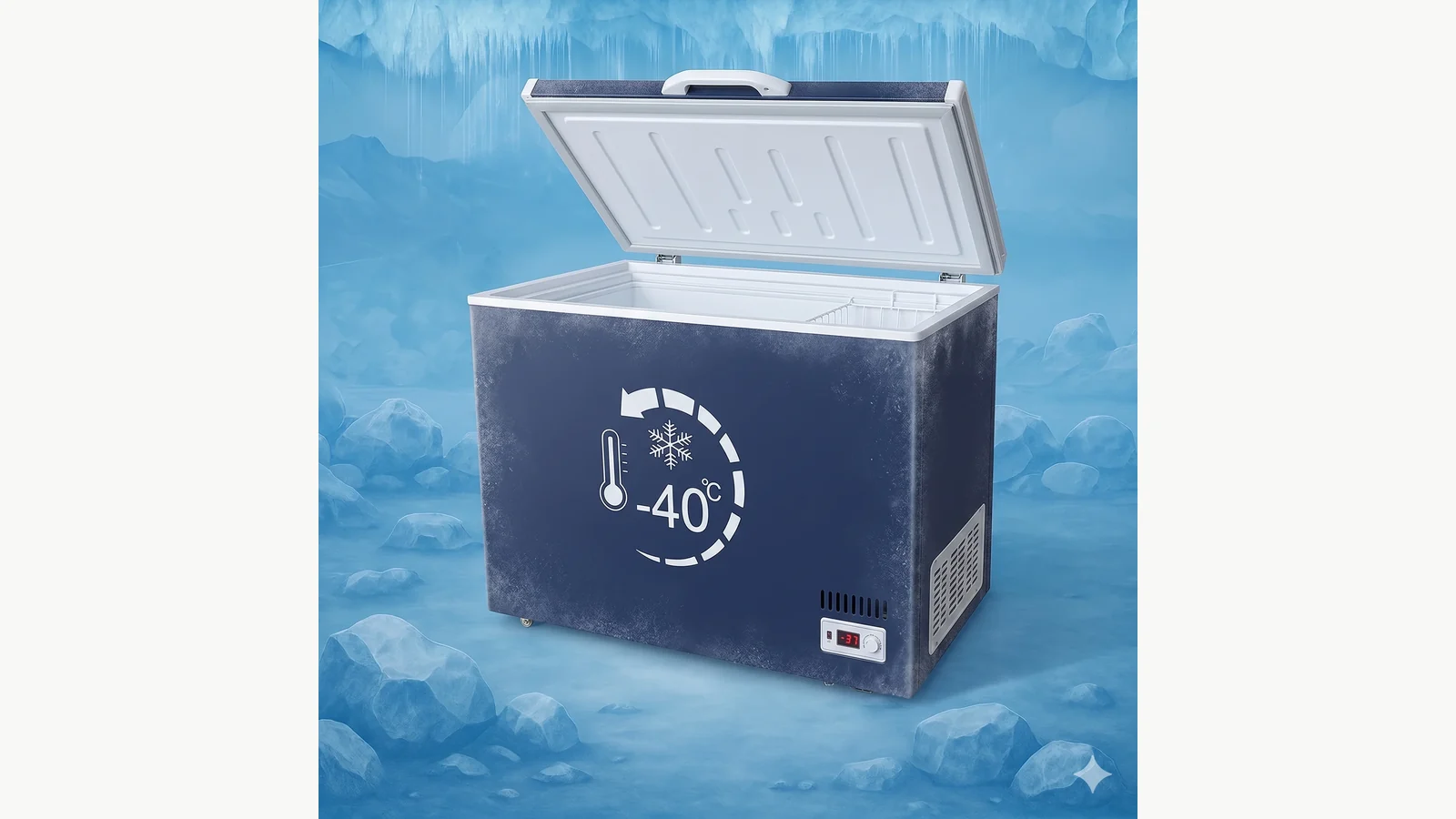
Photographs should show the whole model plate square to the camera and readable at full resolution. Add a wider cabinet photograph with the same unit or pallet ID. A cropped refrigerant line without model identity is weak evidence because it can be separated from the ordered product.
Verify Destination Requirements Before the Order Is Frozen
Import, transport, installation, labeling, storage, and servicing rules can vary by destination and can change. The buyer should identify the applicable authorities, carrier, broker, project consultant, and service provider, then give the supplier a written document and label list.
The supplier needs enough time to resolve the requested format before production and booking. The importer should verify the current rule set rather than assuming that approval in one market transfers to another. When a carrier or broker asks for a specific description or declaration, preserve the request with the shipment file.
This article does not assign a legal classification or transport condition to a batch. Those details require the actual refrigerant, charge, packing, route, and current authoritative requirements.
Build the Spare-Parts and Service Handoff Around the Actual Unit
Replacement parts should be ordered by exact model, unit label, component reference, and production batch. Refrigerant identity is one part of that pack. It should never be used alone to select a compressor, controller, valve, filter, electrical part, or service procedure.
Ask the supplier for a model-specific recommended spare list and current parts drawing. Record which parts are refrigerant-dependent and which depend on voltage, compressor, cabinet revision, or controller. The distributor can then stock against a verified installed base instead of a generic chest-freezer family.
Service must be handled by personnel qualified for the equipment, refrigerant, and local requirements. Give the service provider the full model plate, fault evidence, unit history, location, and supplier documents before work begins. Guessing from cabinet appearance is not a safe identification method.
Inspect the Production Evidence Before Shipment
Pre-shipment review can sample units across identified batches and carton ranges. For each selected unit, capture:
- carton and pallet identity;
- full cabinet and model plate;
- refrigerant and charge fields as printed;
- model and batch link to the approved datasheet;
- manual and label version;
- relevant packing-list and document row;
- visible cabinet condition and included accessories;
- inspector, date, and disposition.
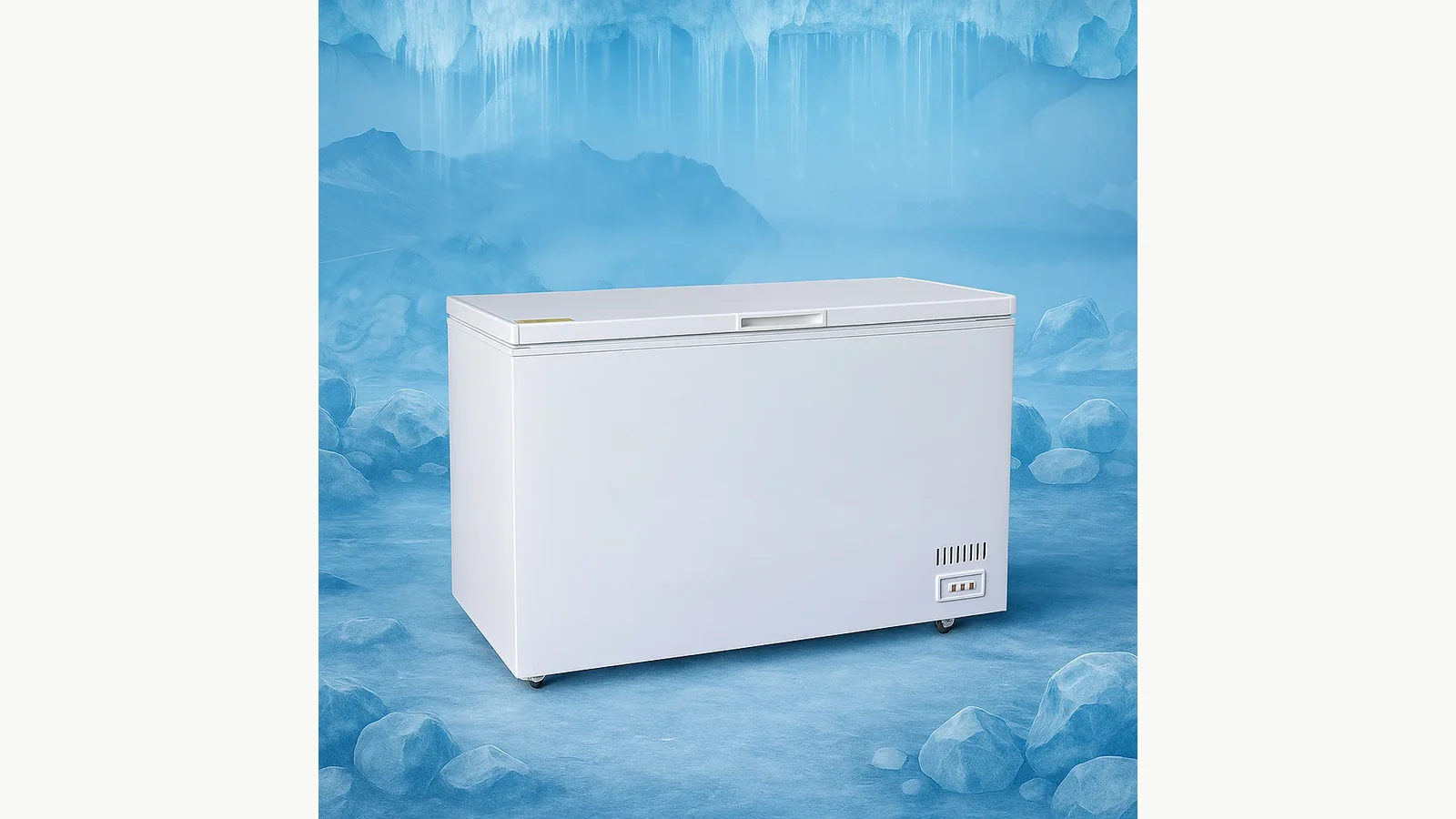
The IA-990 image above establishes an exact cabinet identity. It does not reveal its refrigerant. That distinction is the point: hidden technical fields need labels and documents, while photographs of the product confirm the unit to which those records belong.
If a sampled unit disagrees with the approved row, keep its carton, unit, and label evidence together. Expand the inspection according to the agreed plan and quarantine affected identity ranges while the supplier determines scope. Relabeling before the discrepancy is documented can erase the trace needed to solve it.
Repeat the Identity Check at Receiving
Receiving staff should reconcile quantities and model codes before distributing cabinets to dealers or stores. Sample the model plate, carton, manual, and packing list against the approved batch file. Record damage separately from specification mismatch: a correct refrigerant label does not clear transit damage, and an intact cabinet does not clear a document conflict.
Keep a digital record that can be searched by model, batch, serial or unit ID where available, refrigerant, destination, and dealer. When a service request arrives, the distributor can retrieve the correct documents without relying on memory or a sales brochure.
Related Reading
- Chest-freezer voltage, plug, and packaging details aligns the electrical and export fields with the same order row.
- IA-1105 versus IA-1110 chest-freezer selection keeps the -40°C statement restricted to the verified deep-freezing model.
- Rated watts versus Ghana energy-cost evidence explains why a listed technical field cannot be expanded into an unmeasured operating result.
Send a Batch-Specific Refrigerant RFQ
Send ICEAGE the exact chest-freezer model, configuration, quantity, destination, voltage, frequency, plug, requested refrigerant, required model-plate and carton fields, current destination-document list, service capability, spare-part request, and batch-record format. Ask the supplier to confirm the actual refrigerant and charge for the quoted production row before label artwork, parts, documents, and shipment are released.