
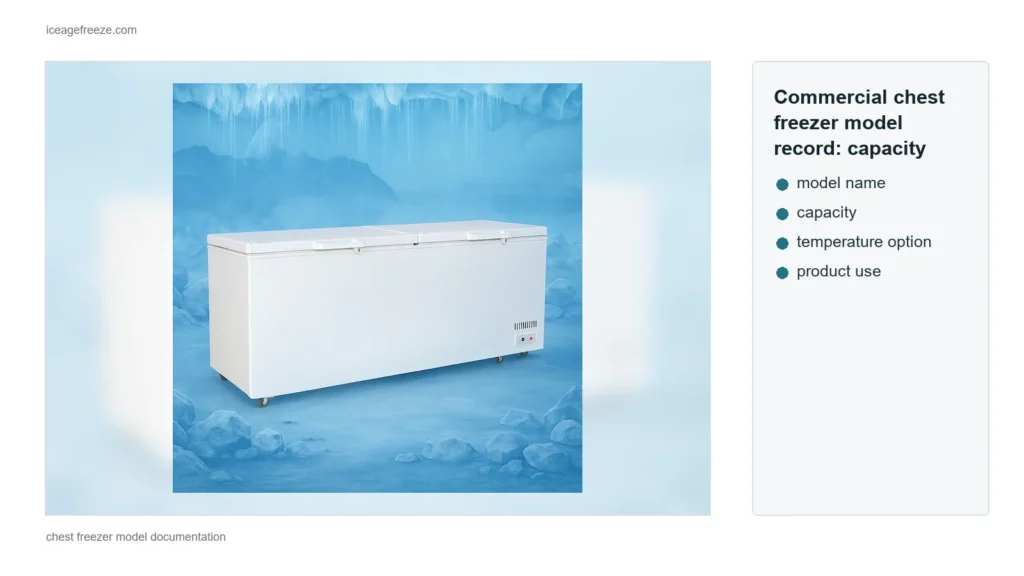
ICEAGE's current chest-freezer table lists model inputs from 95 W to 580 W. Those watts identify an electrical rating for an exact model; they are not a monthly energy bill. A Ghana importer needs three separate records: the model's current rated input, measured energy use under stated conditions, and the applicable tariff calculation. Combining them too early creates a confident-looking cost that cannot be audited.
The shortcut is tempting: multiply watts by 24 hours and then by 30 days. That assumes the listed input runs continuously at that level. A thermostat-controlled freezer cycles, while ambient heat, product loading, lid openings, setpoint, defrost, voltage condition, cabinet placement, and test method all influence measured kWh. Rated watts are useful for model identity and electrical planning; monthly cost requires more evidence.
Read the Current Model Table First
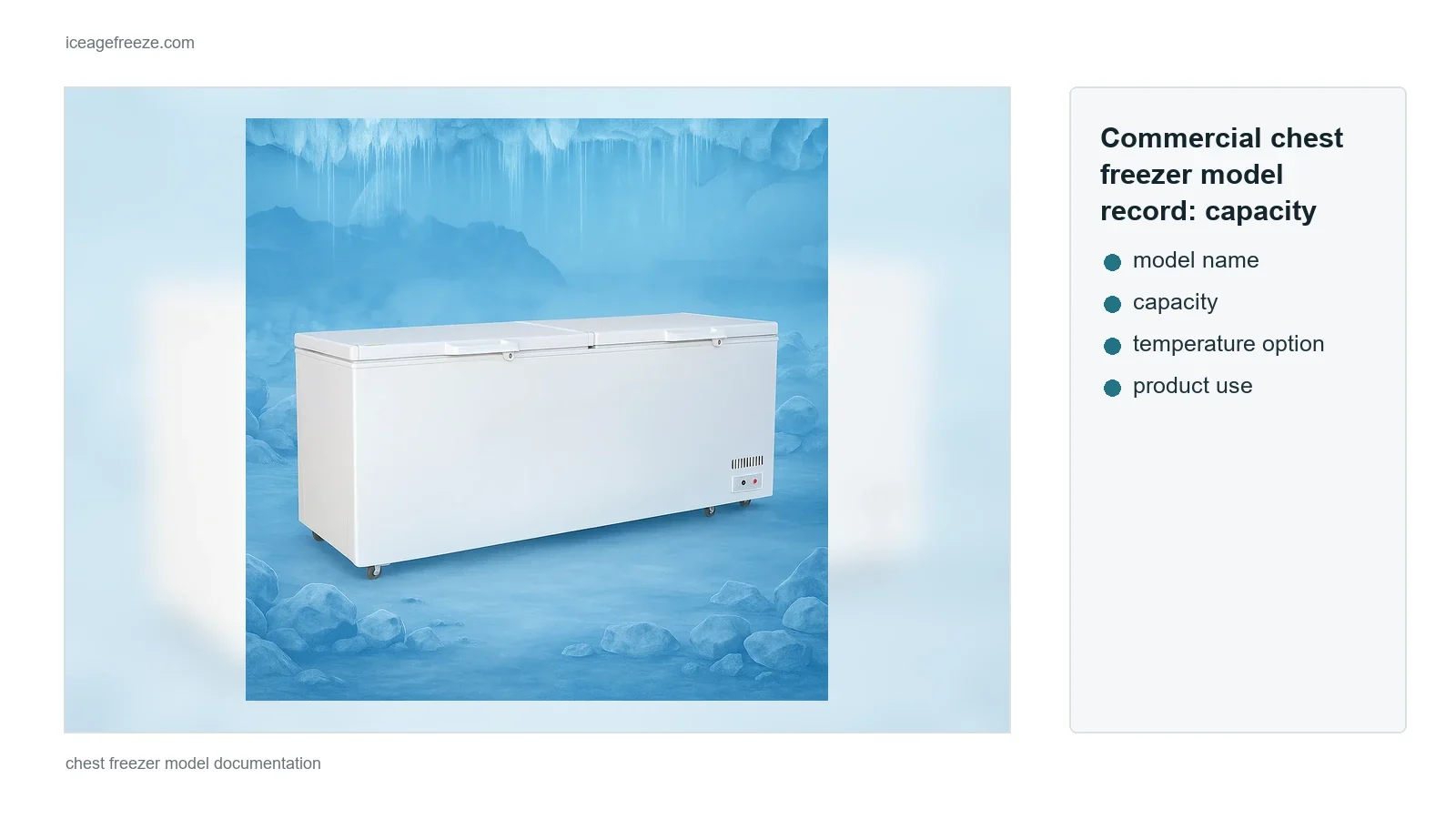
The ICEAGE commercial chest-freezer range currently provides these rows:
| Model | Capacity | Listed input | Listed range | Cabinet dimensions (mm) |
|---|---|---|---|---|
| IA-750 | 150 L | 95 W | -20–0°C | 750 × 560 × 890 |
| IA-990 | 250 L | 95 W | -20–0°C | 990 × 560 × 890 |
| IA-1105 | 350 L | 95 W | -24–0°C | 1105 × 730 × 900 |
| IA-1460 | 450 L | 150 W | -24–0°C | 1460 × 730 × 900 |
| IA-DOUBLE TEMP 1460 | 450 L | 95 W | -24–0°C, double-temperature listing | 1460 × 730 × 900 |
| IA-1760 | 560 L | 170 W | -24–0°C | 1760 × 730 × 900 |
| IA-1960 | 650 L | 220 W | -24–0°C | 1960 × 730 × 900 |
| IA-2000 | 750 L | 255 W | -24–0°C | 2000 × 840 × 900 |
| IA-2200 | 860 L | 255 W | -24–0°C | 2200 × 900 × 900 |
| IA-2500 | 1300 L | 580 W | -24–0°C | 2500 × 900 × 900 |
| IA-1110 | 358 L | 170 W | -40–0°C | 1110 × 730 × 900 |
The table is a comparison starting point, not an efficiency ranking. IA-750, IA-990, and IA-1105 all list 95 W despite different capacities and two temperature-range descriptions. IA-DOUBLE TEMP 1460 lists a lower input than IA-1460 while introducing a different temperature-zone format. IA-1110 shares 170 W with IA-1760 but serves a distinct -40°C deep-freezing requirement. Those differences make a model-specific datasheet essential.
The published chest-freezer datasheet approval workflow explains how to freeze the current row before production. The same approved revision should be used for electrical and energy discussions.
Rated Watts, kW, kWh, and Cost Are Different
Watts and kilowatts describe power at a point in time. Kilowatt-hours describe energy accumulated over time. Cost combines measured or estimated kWh with the relevant tariff structure.
A transparent worksheet can show the relationship without pretending to know the missing values:
- Convert the measured average power over the test period to kilowatts.
- Multiply that average by test hours to obtain measured kWh.
- Normalize only when the test conditions and duration support the comparison.
- Apply the customer's verified tariff components and billing period.
Rated input may be one field in the evidence pack, but it is not automatically the measured average. A complete tariff may include time bands, demand charges, taxes, levies, or other components. Ghana buyers should use the current bill or utility publication that applies to the actual site rather than a copied internet figure.
Define the Conditions That Move Measured Energy
Two measurements are comparable only when their operating conditions are recorded. At minimum, capture:
- exact model and current production revision;
- voltage, frequency, and plug or connection arrangement;
- thermostat setpoint and temperature target;
- ambient temperature and humidity around the cabinet;
- clearance and ventilation around the condenser area;
- empty, test-load, or product-load condition;
- product entry temperature and load quantity;
- lid-opening count, duration, and restocking events;
- glass-top or solid-door configuration where applicable;
- measurement device, interval, start time, and duration.
The ICEAGE range is listed at 220 V/50 Hz, with voltage and plug customization available. Customization needs written confirmation for the ordered model. A Ghana electrical plan should also account for local site protection, conductor sizing, connection method, and startup behavior using qualified electrical input; a blog watt value is not a circuit design.
Request an Energy Evidence Pack for the Shortlist
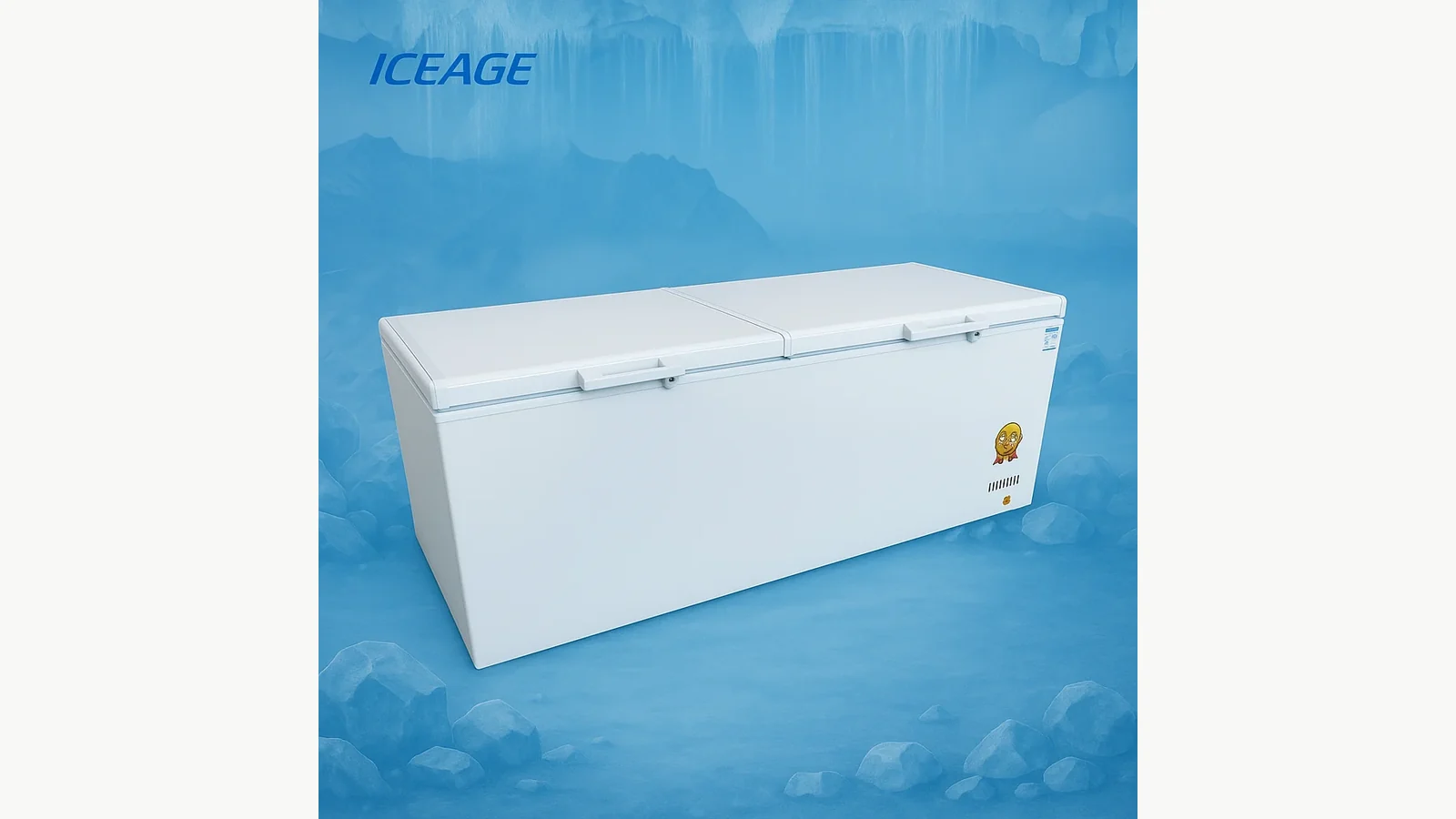
Once the dealer has a shortlist, ask for energy evidence tied to each exact model. The pack can include the current electrical datasheet, test setup, ambient condition, setpoint, load description, measurement duration, kWh result, and report date. If the supplier has no comparable result for the proposed configuration, label the value pending a sample or site test.
Avoid comparing one supplier's rated watts with another supplier's measured daily kWh. Normalize the evidence type first. Also check whether values cover the same voltage, refrigerant, lid, temperature setting, and climate condition. An unexplained number belongs in a clarification column, not in the final cost ranking.
For a mixed Ghana dealer order, build one row per model. Keep capacity, temperature purpose, footprint, listed watts, quoted electrical specification, evidence status, measured kWh, and tariff version separate. That layout shows where a commercial decision is supported and where testing remains.
Use a Ghana Cost Worksheet With Named Sources
The costing sheet should name the store, meter/tariff category, currency, tariff effective date, and source document. Record whether the estimate uses supplier test data, a dealer sample, or a live-store measurement. Keep assumptions visible:
| Cost field | Required evidence |
|---|---|
| Model | Approved datasheet and order line |
| Rated input | Current electrical table/nameplate |
| Measured kWh | Test report or monitored sample |
| Test conditions | Ambient, setpoint, load, openings, duration |
| Tariff | Current applicable bill or official schedule |
| Monthly days/hours | Actual store operating basis |
| Currency and tax | Quotation/accounting basis |
| Confidence | Confirmed, provisional, or pending test |
A sensitivity range is often more honest than one number. Show how cost changes with measured kWh or tariff variation, while keeping the source for every input. Never present the upper and lower cases as guaranteed performance.
Keep Power Evidence Separate From Capacity Selection
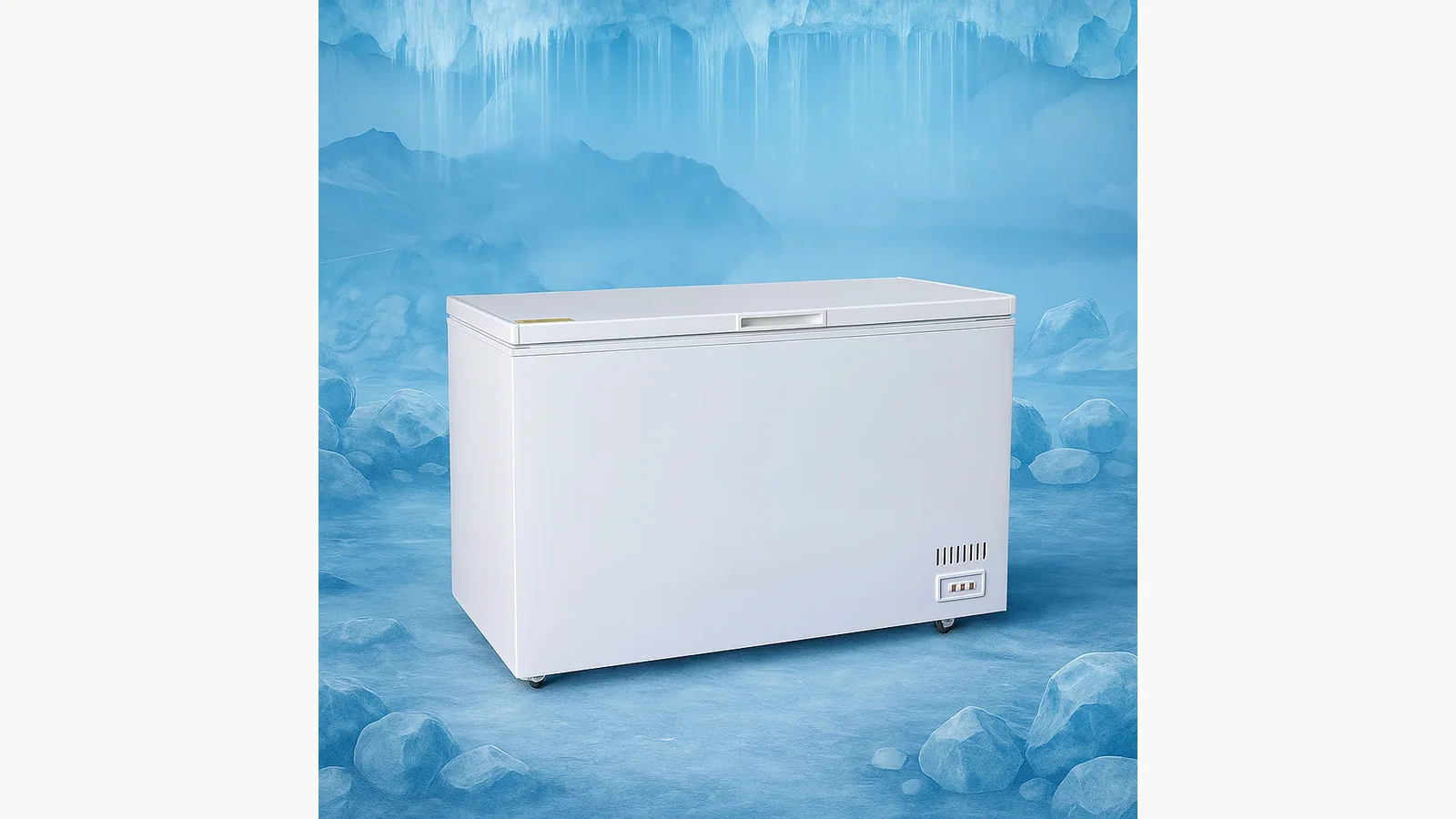
Capacity, product turnover, and store footprint still decide whether a model can serve the dealer. A low listed watt value cannot compensate for inadequate storage, the wrong temperature range, poor lid access, or an unsuitable replenishment pattern. Likewise, a larger unit with a higher input may support a different assortment and stock cycle.
Start with frozen-product volume, target temperature, delivery frequency, peak stock, basket/divider need, lid type, and usable site dimensions. Then compare energy evidence among models that can perform the same commercial job. This avoids selecting an undersized cabinet for a lower watt row and running the store through inefficient overflow practices.
Carry the Approved Electrical Row Into the Order
The purchase order should state exact model, capacity, temperature range, rated input as currently confirmed, voltage, frequency, plug, refrigerant, lid configuration, quantity, and datasheet revision. If an energy figure influenced the decision, attach its test reference and conditions. Production changes that affect the electrical row or test configuration need buyer review.
At receiving, match the nameplate and model to the packing list and approved datasheet before store allocation. A dealer's monitoring plan can then compare live kWh against the approved evidence while recording ambient, loading, and openings. Unexpected use becomes a structured investigation rather than an argument based on the catalog watt figure.
Related Reading
- Chest-freezer voltage, plug, and packaging details for importers keeps the Ghana electrical configuration tied to the order.
- IA-1460 versus IA-DOUBLE TEMP 1460 for Ghana dealers shows why a shared capacity and footprint never erase a temperature-format difference.
- IA-1105 versus IA-1110 standard and deep-freezing selection keeps the -40°C requirement model-specific.
Send a Ghana Model-and-Energy RFQ
Send ICEAGE the Ghana destination, proposed model mix, quantities, voltage/frequency and plug, product categories, temperature target, site ambient, loading and lid-opening pattern, tariff basis, and required evidence method. Ask for current electrical datasheets and model-specific measured-energy records, or agree a sample test before turning rated watts into an operating-cost estimate.