
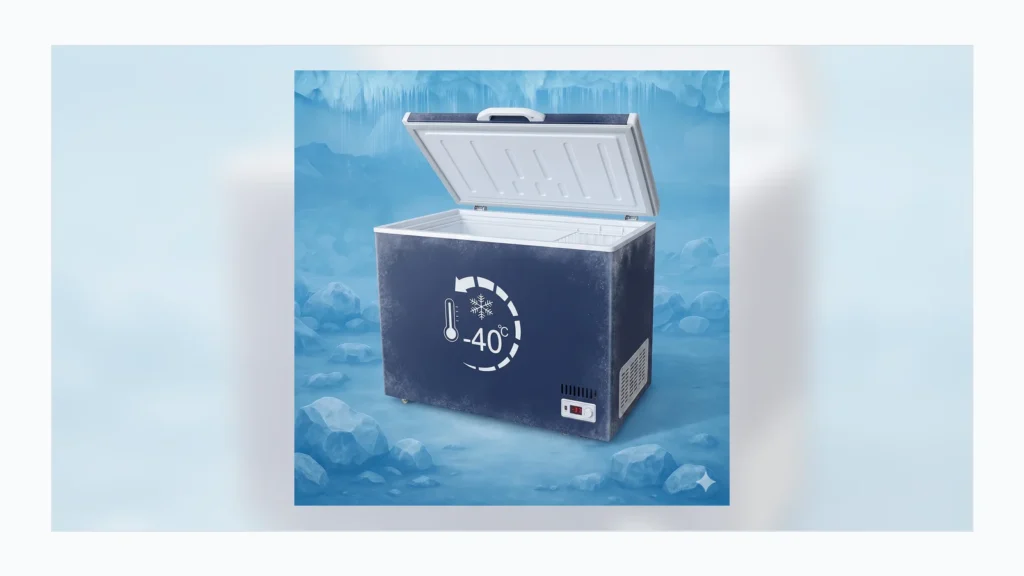
A minus 40 degree commercial chest freezer should be treated as a specific deep-freezing option, not as the default answer for every frozen food store. It can be relevant when the buyer has a product or storage requirement that calls for deeper freezing, but the model, temperature range and operating condition still need to be confirmed before ordering.
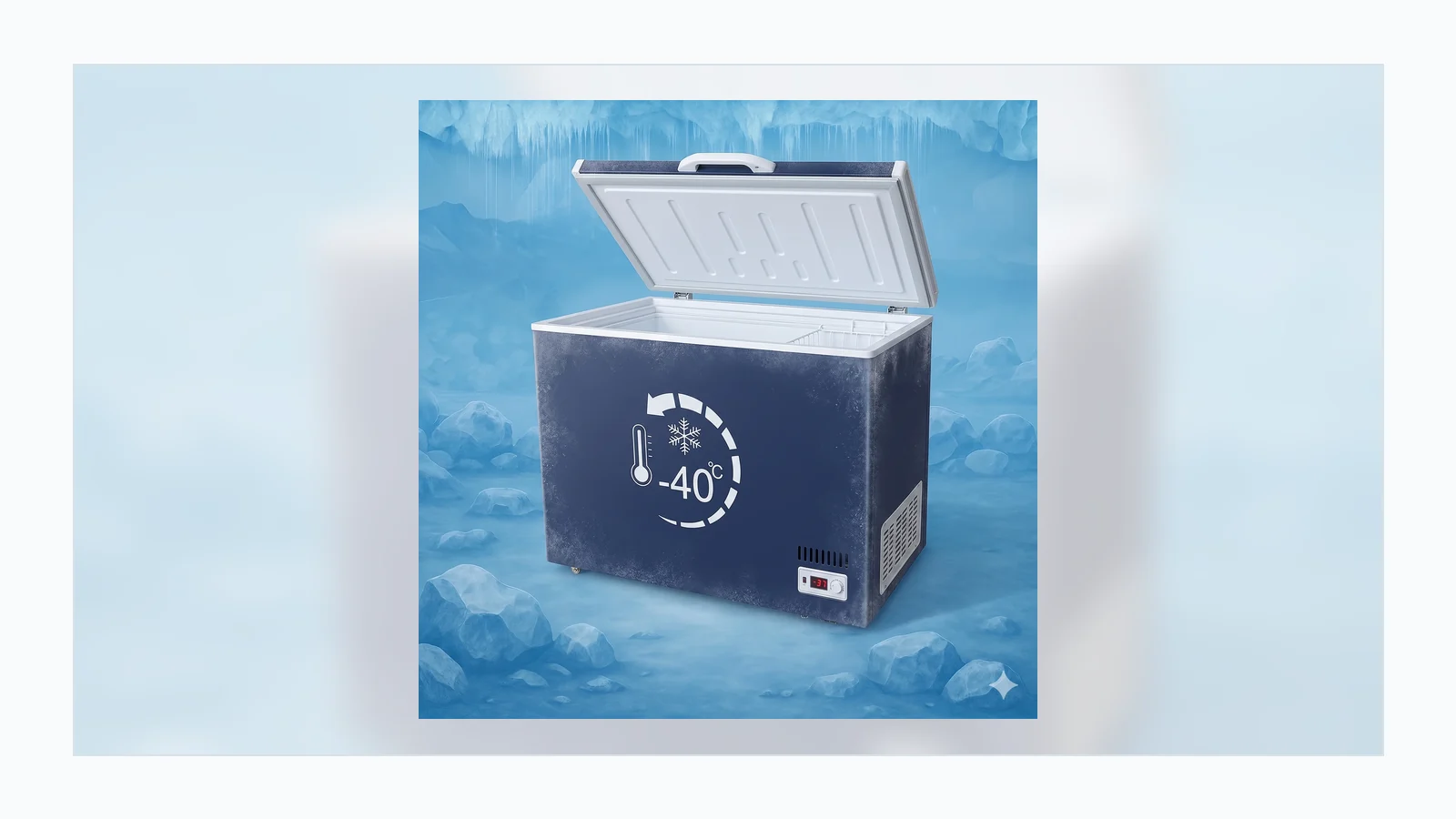
Ice Age's commercial chest freezer page lists a broad model range from compact retail freezers to large-capacity units. Most listed models show temperature ranges such as -20 C to 0 C or -24 C to 0 C. The IA-1110 model is listed as a 358 L deep freezer with a -40 C to 0 C range. This article explains how buyers should discuss that option responsibly.
Standard Chest Freezer or Deep-Freezer Option?
Many retail frozen food applications do not automatically require a -40 C model. Frozen meals, ice cream, packaged frozen food and ordinary frozen retail storage may be handled by standard chest freezer models if the selected model fits the product requirement. A deeper-freezing model should be discussed when the product category, storage plan or buyer specification truly calls for it.
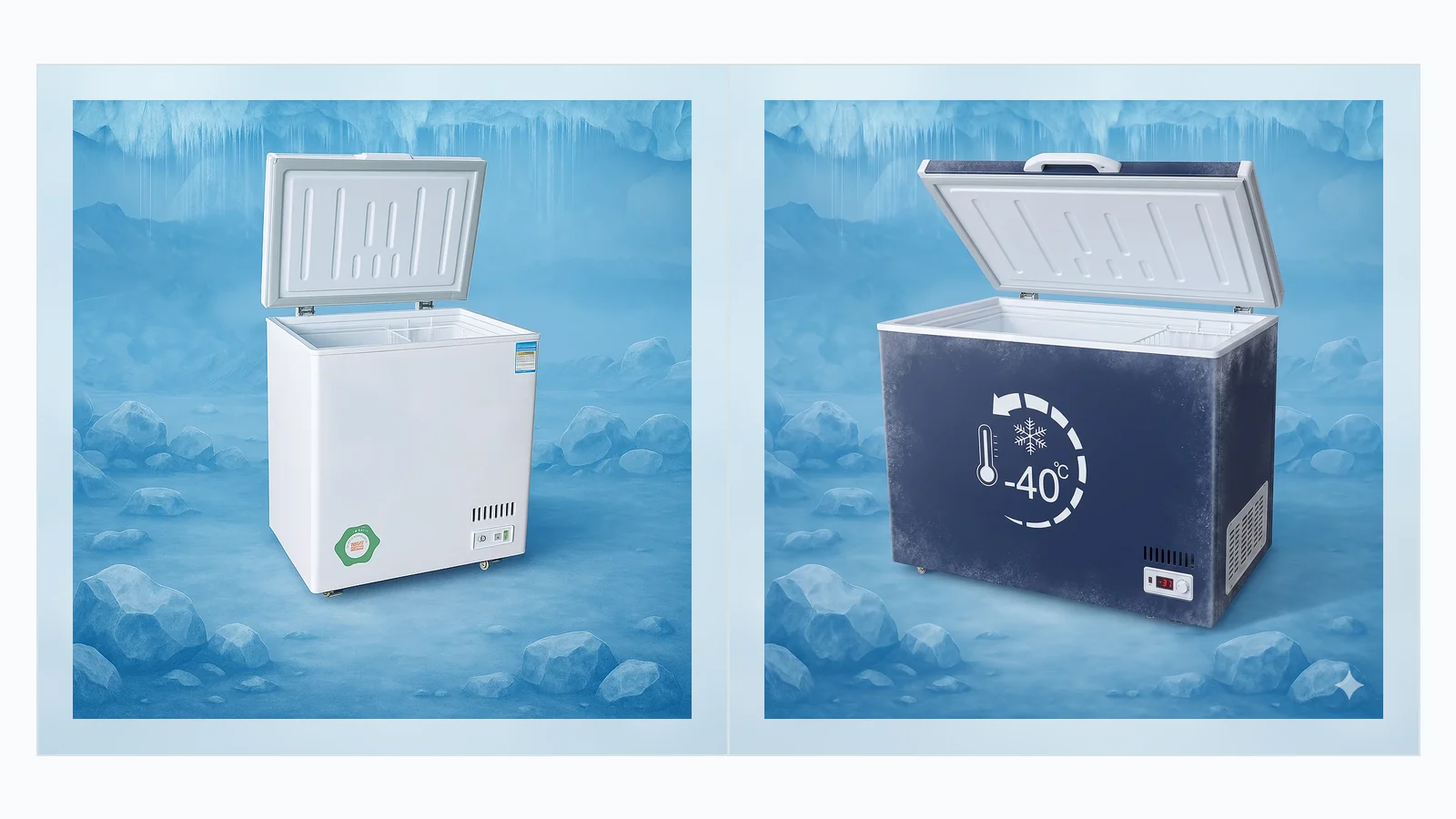
| Buying Question | Standard Chest Freezer Discussion | -40 C Deep-Freezer Discussion |
|---|---|---|
| Main use | Frozen food retail storage and display | Special deep-freezing application |
| Listed model ranges | -20 C to 0 C or -24 C to 0 C models | IA-1110 listed at -40 C to 0 C |
| Capacity planning | 150 L to 1300 L range depending on model | Confirm 358 L IA-1110 details |
| Buyer risk | Buying too small or choosing wrong layout | Requesting deep-freeze without confirming real product need |
This comparison is not a technical guarantee. It is a planning framework for asking better questions before quotation.
Start With the Product Requirement
Do not start by asking for the coldest freezer. Start by describing the product. Is it meat, seafood, ice cream, prepared frozen food, dumplings or another frozen category? Is the freezer used for retail display, backup storage, staff-only holding or a special deep-freezing task?
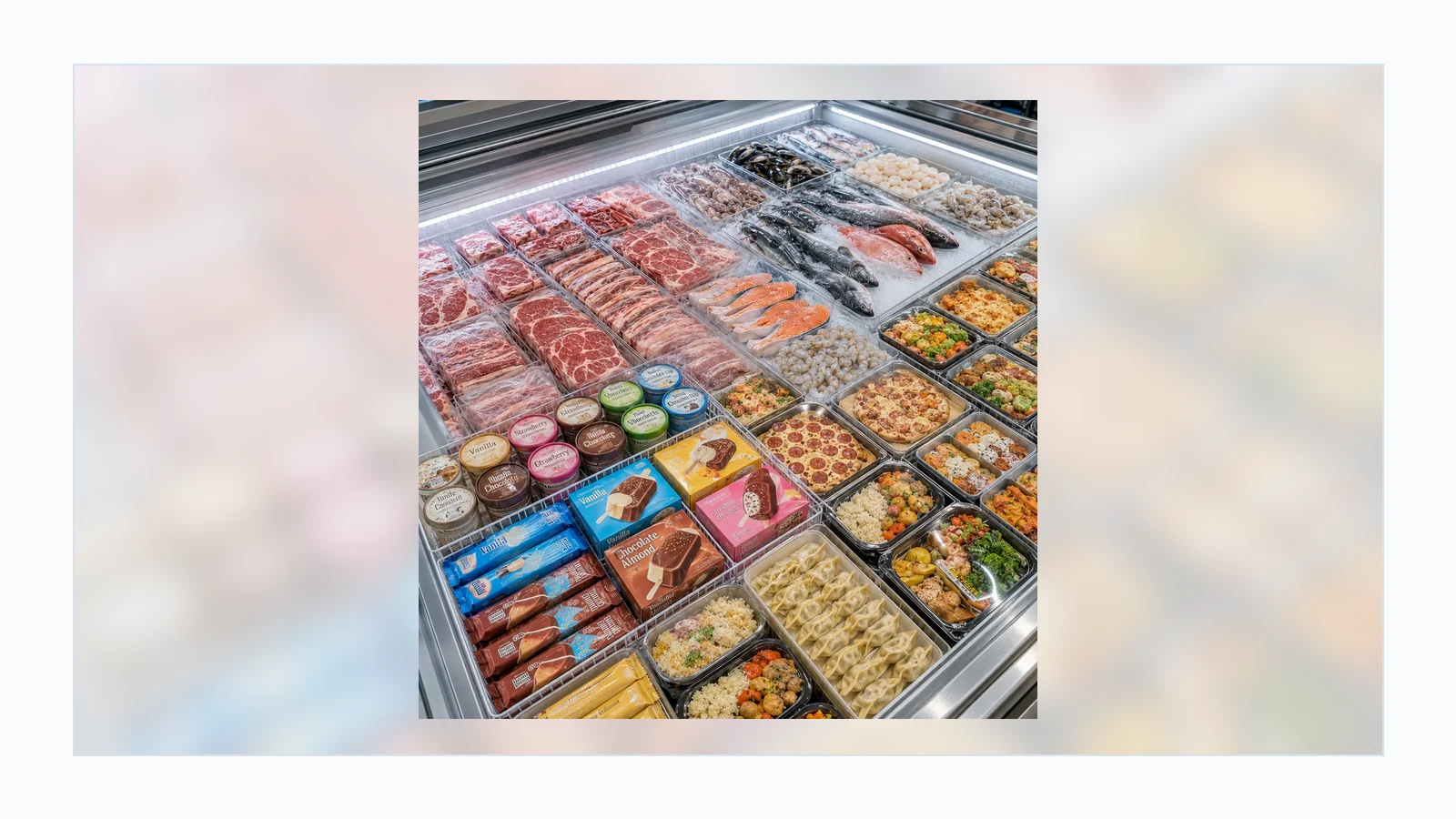
If the product has a specific storage requirement, share that requirement with the supplier. Do not convert a temperature number into a shelf-life claim or performance promise. The buyer should confirm the model specification and usage condition directly.
Review Capacity and Access
The IA-1110 deep-freezer model is listed as 358 L with an outer size of 1110 x 730 x 900 mm and an inner size of 970 x 510 x 685 mm. That capacity may be suitable for certain applications, but it is not the same as the largest commercial chest freezer models on the page.
This means a buyer should not choose the -40 C option only because it sounds stronger. If the store needs high-volume frozen food storage, a larger standard model may be part of the discussion. If the store needs a specific deep-freezing function, the IA-1110 option may be worth asking about.
Plan Site Conditions and Workflow
Deep-freezer planning still depends on practical store conditions. Check the floor area, doorways, loading route, product handling process, power requirement and who will access the cabinet. A freezer that meets a temperature requirement but is difficult to load can still create daily problems.
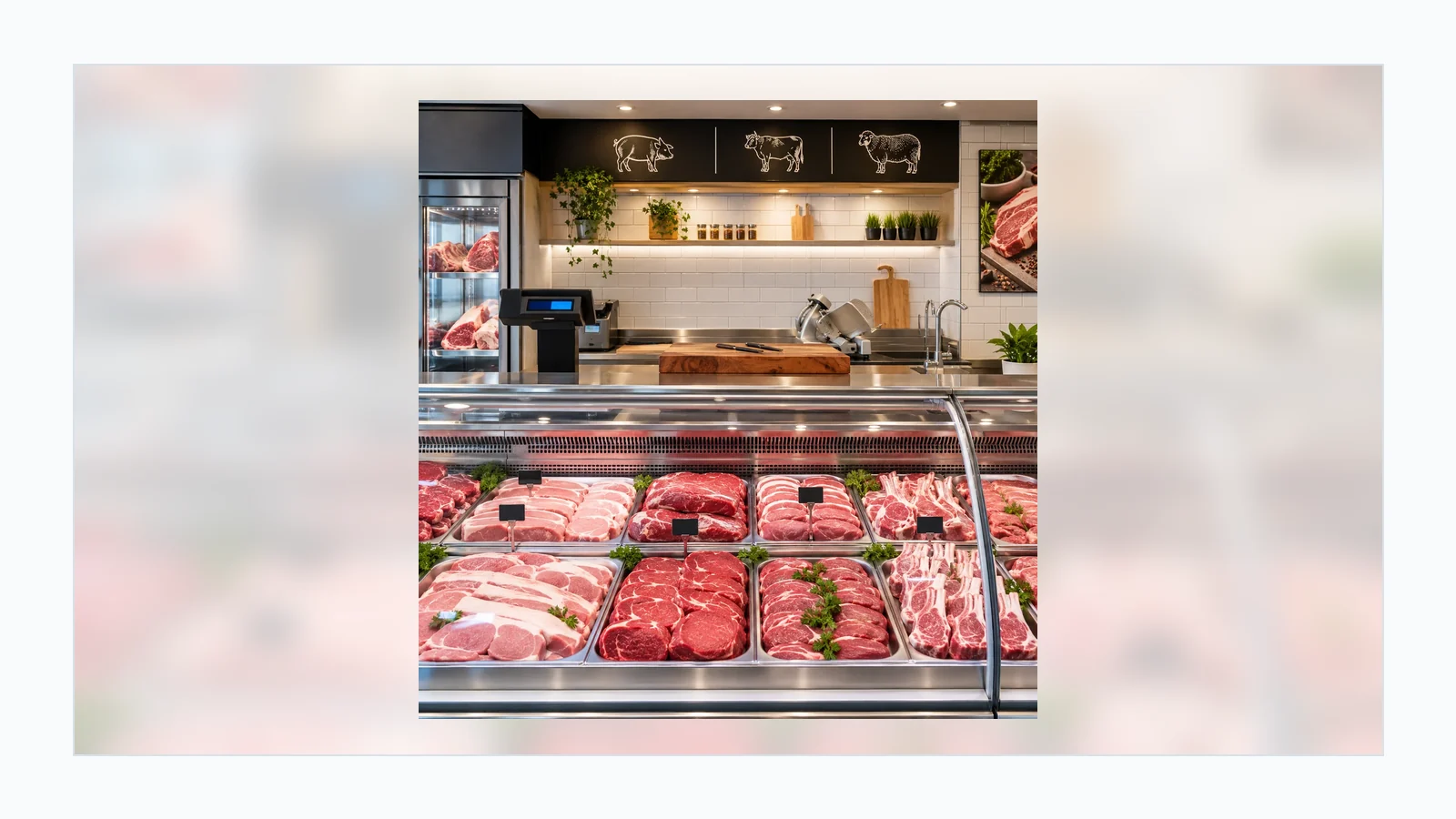
For meat shops, seafood shops and frozen food stores, staff may need to open the freezer often, separate products and keep inventory organized. Ask about baskets or dividers if product separation matters. If customers will access the freezer directly, think carefully about product visibility and browsing comfort.
What to Include in a -40 C Freezer RFQ
When asking for a minus 40 degree commercial chest freezer, include more than the temperature phrase. Send the product category, daily loading quantity, desired model or capacity, voltage and plug, destination port, store use, whether baskets or dividers are needed, and whether the freezer is customer-facing or staff-only.
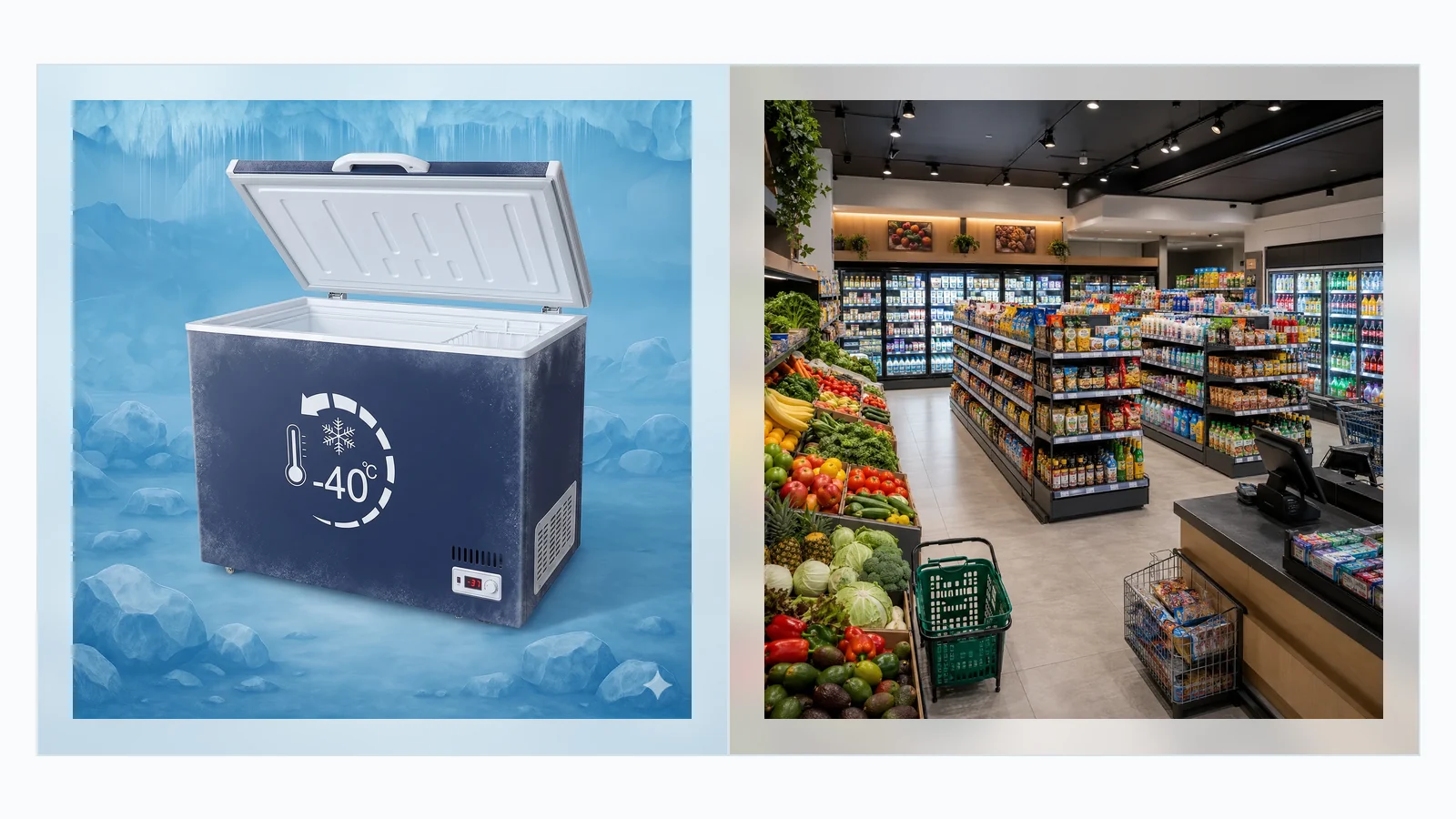
Also ask the supplier to confirm the exact model, temperature range, outer size, inner size and power information. If the buyer is comparing the IA-1110 with standard models, request a clear side-by-side quotation.
Common Mistakes to Avoid
One mistake is using "-40 C" as a general quality label. A deeper temperature option is not automatically the best choice for every store. Another mistake is ignoring capacity. A deep-freezer model with the right temperature range may still be too small for a high-volume frozen food business.
A third mistake is not describing the product. Suppliers can recommend better when they know whether the freezer is for meat, seafood, ice cream, frozen meals or backup storage.
FAQ
Does every frozen food shop need a -40 C chest freezer?
No. Many frozen food shops may use standard commercial chest freezer models. A -40 C option should be discussed when the product or storage task requires it.
Which Ice Age model is listed as the -40 C option?
The chest freezer page lists IA-1110 as a 358 L deep freezer with a -40 C to 0 C temperature range.
Should buyers choose by temperature or capacity first?
Buyers should define product requirement first, then compare temperature range, capacity, size, power and store workflow together.
Confirm the Deep-Freezer Requirement
If your store or distribution project may need a -40 C chest freezer, send the product type, use case, capacity need, voltage, plug type and destination port through the Ice Age contact page. The goal is to confirm the right freezer, not simply the coldest label.