
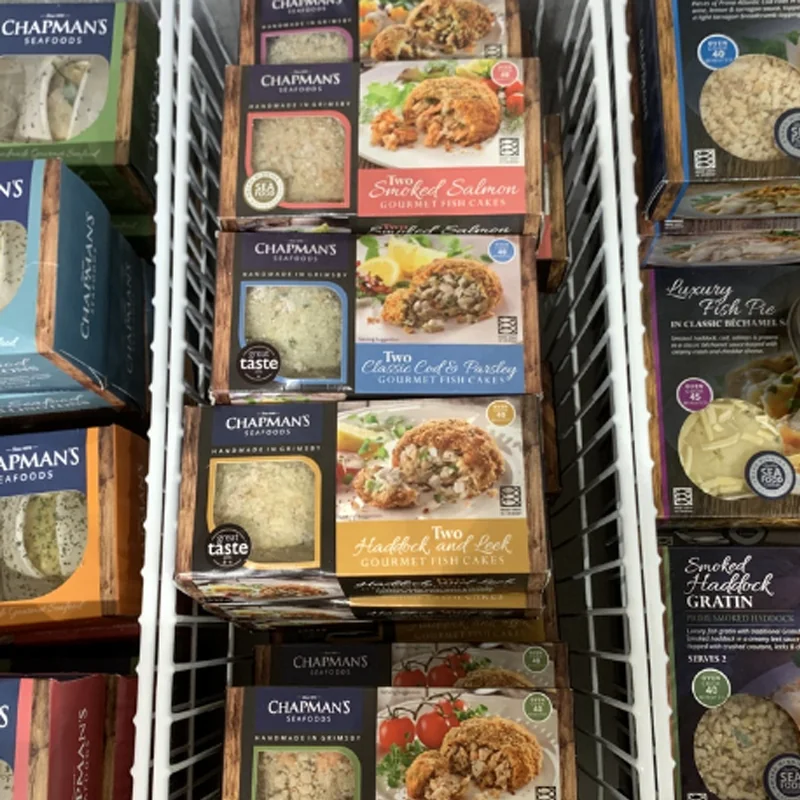
Freezer burn is the grey, dry, leathery patch that appears on frozen food when air reaches the product surface. It is not a safety claim about the food — it is a quality problem, and it is the most common frozen-storage complaint a retailer hears from customers. A chest freezer makes freezer burn a staff problem rather than a cabinet problem, because the entire product is stored behind one large lid, and every lid opening exposes the interior. Preventing it is not a one-time fix; it is a routine built from three disciplines: protecting the package, keeping the cabinet cold, and rotating stock. This guide explains each step for retail staff working with a commercial chest freezer, and what to confirm with the supplier when the routine is being set up.
What Freezer Burn Actually Is
Freezer burn happens when moisture leaves the food surface or ice crystals form on it, usually because air reached the product. The classic signs are dry grey or brown patches, a leathery texture, and dull color. The food remains frozen and is not inherently unsafe to eat, but the quality is clearly damaged, and customers who see freezer burn on a package will usually not buy it twice.
The practical point for retail: freezer burn is driven by three controllable things — packaging integrity, temperature stability, and how long the product surface is exposed to air. None of them requires a service engineer to fix. They are operating habits.
Why the Chest Freezer Makes It a Staff Discipline
A chest freezer stores product behind a large horizontal lid. Compared with an upright cabinet, that structure creates specific exposure patterns:
- Large lid opening. Every time the lid opens, a large area of product is exposed to warm room air at once. Long lid-open times during restocking or customer selection are the biggest exposure risk in the whole store.
- Top-access organization. Product is stacked and binned from above, so packages at the top are handled repeatedly and are the most exposed to air and temperature change.
- Partial loads. A half-empty chest freezer has more air space inside, which means more moisture movement; keeping the cabinet reasonably full — but not overfilled past the load line — helps stabilize conditions.
The structure is not a defect; it is the reason the routine matters. A chest freezer that is restocked with the lid open for long periods will produce freezer-burn complaints no matter which model is installed. The current commercial chest freezer page is the scope anchor for model-specific facts; the operating routine below applies to chest freezers generally and should be confirmed against the store's exact model documentation.
Step 1: Protect the Package
Freezer burn starts where packaging fails. Staff can control most of it at receiving and during handling:
- Check packaging at receiving. Reject or segregate cases with torn film, crushed boxes or open bags. A damaged package that goes straight into the cabinet introduces an air path to the product.
- Keep product in its original sealed packaging. Bulk or repacked product should be stored in sealed bags or containers; open or partially used packages are the most likely freezer-burn sources in any cabinet.
- Minimize handling. Each time a package is moved or squeezed, the packaging can tear. Train staff to lift, not drag, and to check packaging when they place product rather than only when they remove it.
- Cover or box loose items. For open displays or scoopable product, use the store's approved covered containers rather than leaving product surface exposed.
The packaging check belongs at receiving and at every restocking event, not just on the day the stock arrives.
Step 2: Keep the Cabinet Cold
The second discipline is about the cabinet itself. Staff cannot change the model's rated performance, but they control how it is used:
- Close the lid between operations. This is the single highest-impact habit. Every minute the lid stays open is a minute of warm air over the product. Plan restocking in batches so the lid is not held open while staff walk to the back room.
- Avoid overfilling. Product must not block the lid from closing fully or press against the lid seal. The lid closure check after restocking covers what to verify every time the cabinet is refilled.
- Respect the load limit and air space. Confirm the model's intended loading arrangement (baskets, dividers and the load line) with the basket and divider options and the model documentation; a reasonable fill level keeps conditions more stable than a nearly empty or packed-tight cabinet.
- Check the lid seal. A damaged or dirty seal lets air in continuously. Make seal inspection part of the routine, and record findings before calling service.
- Follow the defrost schedule. Frost build-up changes how the cabinet performs. The manual defrost workflow explains how to plan defrost so product is moved correctly and the cabinet returns to service without a long open-lid period.
The chest freezer is designed to hold frozen product within the model's rated temperature range — the current product page lists standard temperature-range examples by model. The store's job is to keep the cabinet inside that operating envelope by using the lid and the load correctly.
Step 3: Rotate Stock
The third discipline is rotation. Even with good packaging and lid habits, product that sits at the bottom of a chest freezer for months will eventually show quality loss:
- Use first-in, first-out (FIFO). Place new stock behind or below existing stock so older product is sold first. Mark delivery or best-before dates on cases when the original marking is not clear.
- Use basket zones. Assigning product categories to named baskets makes rotation visible and lets staff find product without rummaging — which also reduces lid-open time. The refill handoff guide shows how basket zones, cart position and lid access are planned together.
- Move slow stock forward. During restocking, check for product that has been in the cabinet longest and bring it to the top or front of its zone.
- Record what goes in. A simple dated log of what was placed in each zone supports rotation and makes quality complaints traceable to a batch rather than a guess.
Rotation is the discipline that catches the slow failure; freezer burn rarely appears on day one, so the routine must be maintained continuously.
Step 4: Inspect and Record
Finally, the routine needs a check loop so problems are caught before customers see them:
- Daily visual pass during restocking — look for damaged packaging, frost build-up, lid-seal issues and product that has sat too long.
- Weekly condition check — confirm the lid closes fully and the seal is clean, and look for any package showing freezer-burn signs.
- Record and route — keep a simple log of findings, and route anything abnormal (seal damage, frost, temperature questions) to the qualified service path with the model identity, photos and dates, as described in the service-request evidence workflow.
The inspection loop is what turns a routine into a documented store practice that survives staff changes.
What to Confirm With the Supplier
When the routine is being set up, confirm the cabinet-specific details that the store cannot guess:
- The model's rated temperature range and how it is displayed or verified (see the model documentation, not a generic number).
- The approved basket and divider arrangement for the model.
- The lid seal and defrost type, and what the store should observe before calling service.
- The recommended load level and any lid-closure requirements for the selected model.
The chest freezer buying guide covers the model-selection side, and the product range page lists the current models and options; the operating routine then applies to whichever model the store runs.
Related Reading
- Commercial Chest Freezer Buying Guide — model, capacity and procurement planning.
- Manual Defrost Workflow for a Retail Chest Freezer — planning defrost without long lid-open periods.
- Chest Freezer Refill Handoffs: Basket Zones, Cart Position and Lid Access — the restocking routine that keeps lid-open time low.
Frequently Asked Questions
Is freezer-burned food safe to eat?
Freezer burn is a quality issue, not a safety claim about the food. The affected product is still frozen, but the texture, color and taste are damaged, and customers will reject it. The retailer's goal is to prevent it at the packaging and storage stage rather than decide what to do with damaged product later.
How long can a chest freezer lid stay open during restocking?
The shorter the better, and it depends on the room temperature, the load and the model. There is no universal minute count; the routine should minimize open-lid time by batching restocking, preparing stock before opening the lid, and closing it between operations. Confirm the model's operating guidance with the supplier.
Why does freezer burn appear on product that has never been opened?
Freezer burn needs air to reach the food surface, and air can reach it through damaged packaging, loose film, or a package that was not sealed at the factory or at repacking. Moisture loss can also happen slowly over a long storage period even in a working cabinet, which is why rotation and packaging checks matter as much as the lid discipline.
Set Up Your Chest Freezer Quality Routine
If you are planning the frozen-food storage side of a retail store, send the product mix, the expected storage volume and the current cabinet model (or the model you are considering) through the ICEAGE contact page. The supplier can confirm the model-specific temperature range, basket arrangement and operating guidance that the store routine has to be built around.