
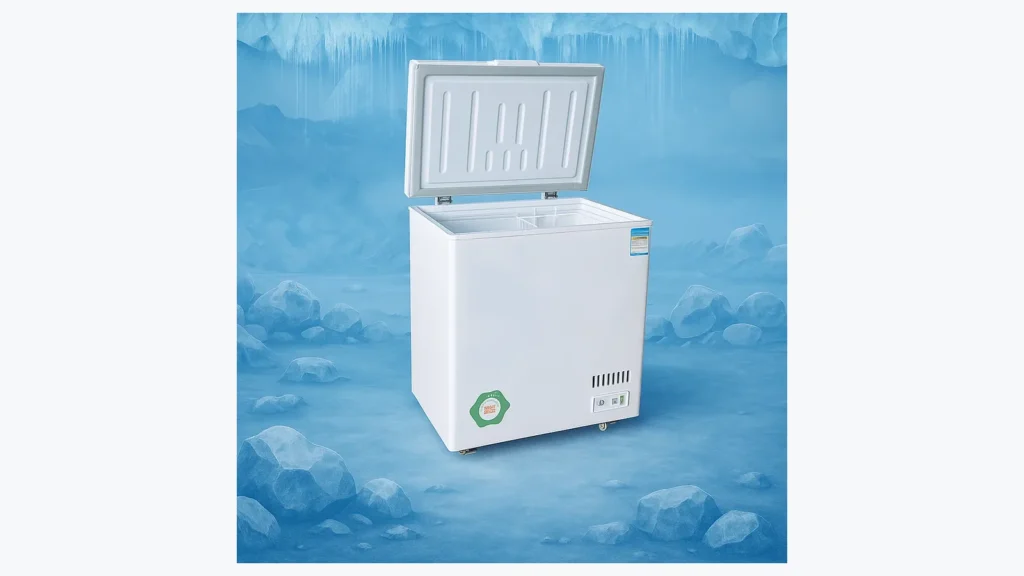
A manual defrost event is a store operation, not merely a cleaning task. Frozen products need protected storage, staff need a clear sequence, meltwater needs control, and the freezer needs to return to the store's approved condition before stock goes back. Rushing one step can create product-handling risk, water on the floor, cabinet damage, or an incomplete record of a recurring frost problem.
The exact procedure and interval belong to the model documentation and the retailer's food-safety plan. This workflow helps an importer or store manager organize those requirements around an ICEAGE commercial chest freezer.
Start With the Model and the Reason for Defrosting
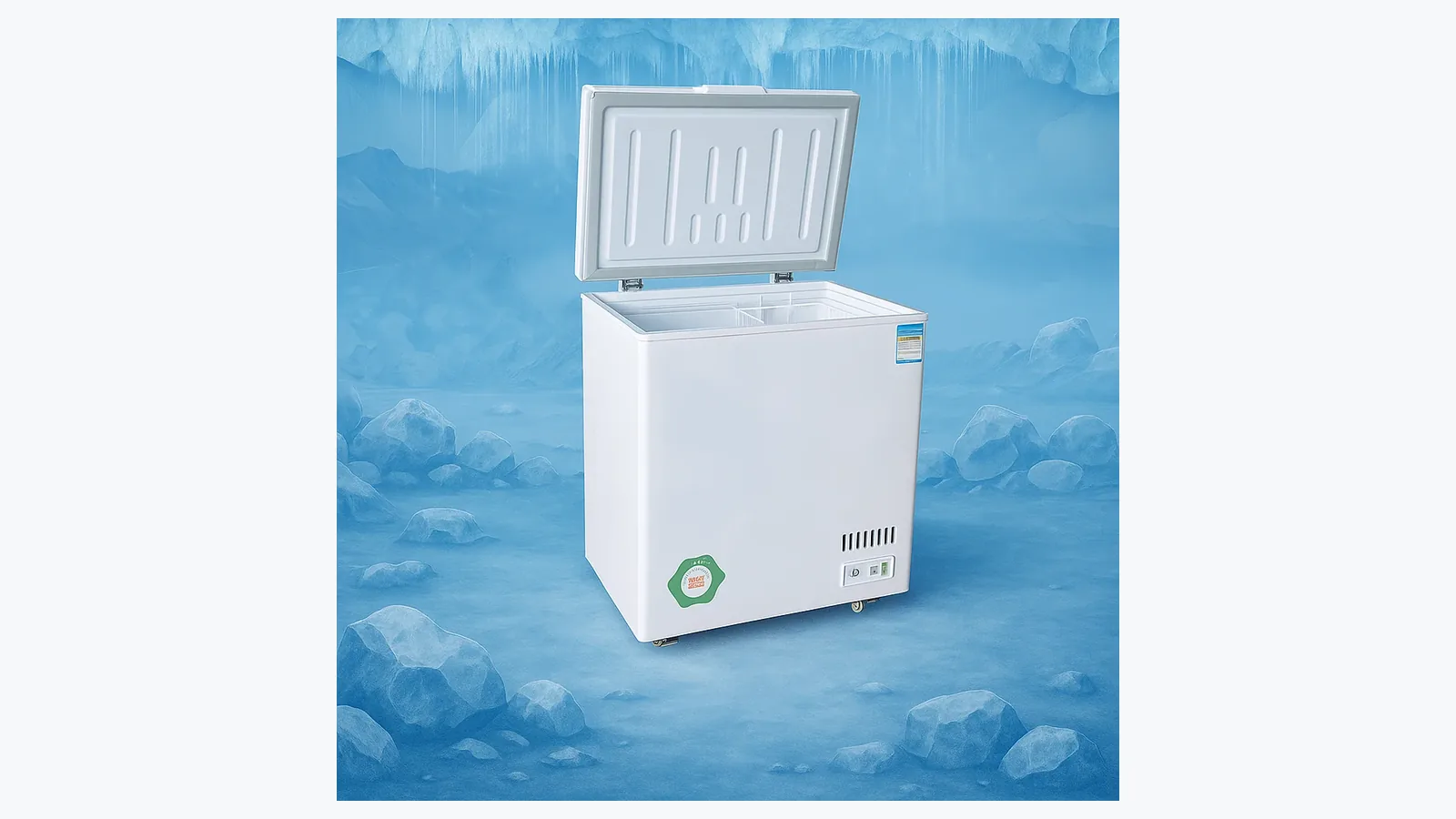
Record the freezer model, store location, current product use, and the approved manual or supplier procedure being followed. The ICEAGE commercial chest freezer page lists a 150 L to 1300 L capacity range, several model examples, standard temperature-range examples, and customization options. Those product-page facts describe the range; the specific unit documentation governs the maintenance event.
Write why the event is planned. Examples include a routine schedule, frost that interferes with baskets or lids, cleaning after a spill, preparation for inspection, or follow-up after an operating concern. Photograph the initial condition and identify the frost location. A recurring local pattern may deserve qualified review rather than repeated removal alone.
Avoid setting one calendar interval for every store and model. Door or lid use, loading practices, store conditions, product packaging, maintenance requirements, and equipment design all affect the local plan.
Prepare Frozen-Product Protection Before Shutdown
Count or estimate the stock that must be moved and identify approved temporary frozen storage with enough usable space. Confirm how the retailer will monitor product condition during transfer and who has authority to decide when stock can return. Follow local food-safety rules and company procedures.
Group products by category, batch, or shelf location before movement. Labeled crates or carts can preserve the original layout for restocking. Keep damaged packages, loose ice, and spill-affected products separate for the store's normal assessment process.
Plan the transfer route. It needs suitable doors, turns, lift access where applicable, and minimal conflict with customers or deliveries. Assign staff roles for product movement, freezer work, floor safety, and record keeping.
| Preparation Item | Confirm Before Starting | Evidence to Keep |
|---|---|---|
| Temporary storage | Approved capacity and operating readiness | Location and readiness check |
| Product transfer | Route, containers and responsible staff | Start and finish times |
| Food-safety control | Store monitoring and disposition process | Required readings and decisions |
| Floor protection | Barriers, drainage and slip control | Work-area photo |
| Model documentation | Correct manual and shutdown sequence | Document reference |
Follow the Approved Shutdown Sequence
Use the model manual and site electrical-safety procedure. Controls, plugs, isolators, hardwired connections, drainage arrangements, and restart requirements vary. Staff qualifications and responsibilities also vary by market and installation.
Once the freezer is in the approved safe state, remove baskets, dividers, and loose accessories according to the manual. Keep each part linked to its original unit when several freezers are serviced together. Photograph damage, loose fittings, or unusual deposits before cleaning changes the evidence.
Protect lights, controls, wiring areas, seals, finishes, and refrigeration components from uncontrolled water or tools. Any procedure that conflicts with the actual manual needs to be resolved before work continues.
Let Ice Release Through the Approved Method
Mechanical force can damage liners, coatings, tubes, seals, or glass components. Open flame, uncontrolled heat, sharp objects, and improvised electrical devices introduce additional risk. Use only the method, tools, and products allowed by the equipment documentation and site procedure.
Track where meltwater will travel. Prepare approved containers, floor barriers, or drainage arrangements before accumulation begins. Keep public walkways controlled and check beneath and around the cabinet throughout the event.
Observe the frost as it clears. A map of thick and thin areas, package contact, blocked spaces, or repeated edge buildup can help later review. Write observations without claiming a technical cause.
Clean the Empty Cabinet Methodically
After ice is removed through the approved process, clean the interior, baskets, dividers, lid area, seals, handles, and accessible surfaces using compatible products and the specified method. Separate food-contact cleaning requirements from exterior cabinet care.
Work from a documented starting point so no compartment or accessory is missed. Inspect for cracked liners, damaged seals, loose components, corrosion, stains, blocked drainage, broken handles, damaged cords, or unusual odor. A qualified person needs to review conditions outside routine store maintenance.
Rinse or wipe only as directed, then allow required drying time. Trapped water can return as ice or enter areas that were never intended to be wet.
Complete a Pre-Restart Inspection
Confirm that cleaning materials, water, tools, labels, and loose ice have been removed. Refit baskets and dividers according to the model manual. Check that lids or doors move normally and that seals and contact surfaces are clear.
Inspect the floor and surrounding area. Water beneath a cabinet can spread after staff think the work is complete. Remove barriers only when the site procedure allows the area to reopen.
Use the approved restart sequence. Record the restart time, control setting or mode required by the actual documentation, and any immediate abnormal sign. Store staff should not open service panels or make refrigeration adjustments outside their authorization.
Wait for the Store's Approved Return Criteria
Restocking is based on the retailer's food-safety plan and the freezer's documented operating requirements, not on a fixed number of minutes from a general article. Keep products in approved temporary storage until the responsible person confirms the return criteria.
Restock in the planned sequence. Preserve loading boundaries from the model documentation and avoid forcing packages against lids, internal walls, or air paths. The article on chest freezer basket and divider options can help organize categories for future transfers.
Record the time stock returned and any products handled through a separate disposition process.
Keep a Defrost Record That Supports Future Decisions
The final log can include model, unit ID, reason, initial frost photos, staff, product-transfer times, temporary-storage record, approved procedure used, shutdown and restart times, water-control method, cleaning products, findings, repairs requested, return approval, and the next review date.
Compare records across events. If the interval shortens, the same local area repeatedly accumulates frost, a lid becomes difficult to close, or water appears in an unexpected place, send the evidence for qualified assessment.
Related Reading
- Chest Freezer Basket and Divider Options helps organize the product layout before transfer and restocking.
- Commercial Chest Freezer Models provides the current ICEAGE product scope for model-specific inquiries.
Common Questions
How often does a retail chest freezer need manual defrost?
Use the model manual and site maintenance plan. A universal interval would ignore differences in equipment, loading, lid use and store conditions.
Can staff chip away ice to finish faster?
Only approved methods and tools belong in the procedure. Sharp or forceful methods can damage the cabinet and create safety risks.
When can frozen products go back?
The responsible store process needs to confirm that the freezer has met its documented return criteria and that product handling requirements were maintained.
What findings deserve supplier or service review?
Recurring local frost, damaged liners or seals, abnormal water paths, electrical concerns, lid problems, unusual sounds or odors, and inability to restore approved operation all merit escalation under the site's process.
Related Product Recommendation: Glass Door Beverage Cooler
A chest freezer serves frozen storage and frozen-food retail needs. Stores that also sell bottled drinks, dairy, juice, water, or chilled snacks can plan a separate glass door beverage cooler for upright chilled display. The product categories have different temperature purposes and remain separate in the store plan.
Request the Correct Model Documentation
Use the ICEAGE contact page to send the chest-freezer model, voltage and plug market, product use, store conditions, frost pattern, current maintenance record, and required documentation. Model-specific information is the right foundation for a repeatable retail workflow.