
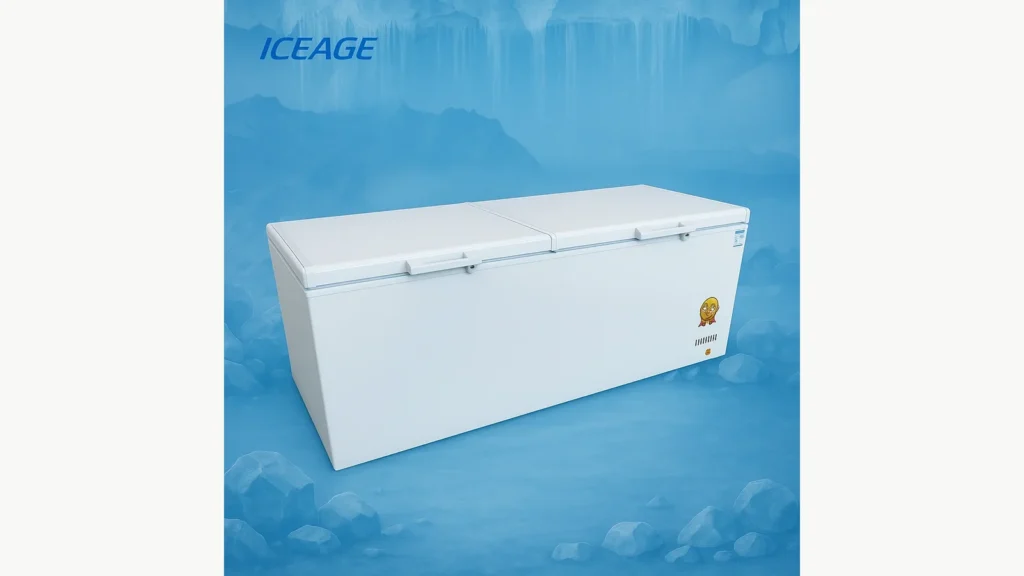
A mixed-model chest freezer order can look clear on a purchase order and still arrive as a receiving puzzle. Similar white cabinets may differ in capacity, exterior length, temperature range, compartment configuration, or the accessories assigned to them. If the packing list collapses everything into one line marked “chest freezers,” the warehouse cannot prove which model, carton, and accessory set belongs to each customer allocation.
The control point is a model-level document chain. The approved quotation, purchase order, packing list, carton mark, loading record, and receiving count should use the same model codes and quantities. This article does not estimate container capacity or loading quantity; those depend on final packed dimensions, weight, handling requirements, and the supplier's approved loading plan.
Start With One Row Per Exact Model
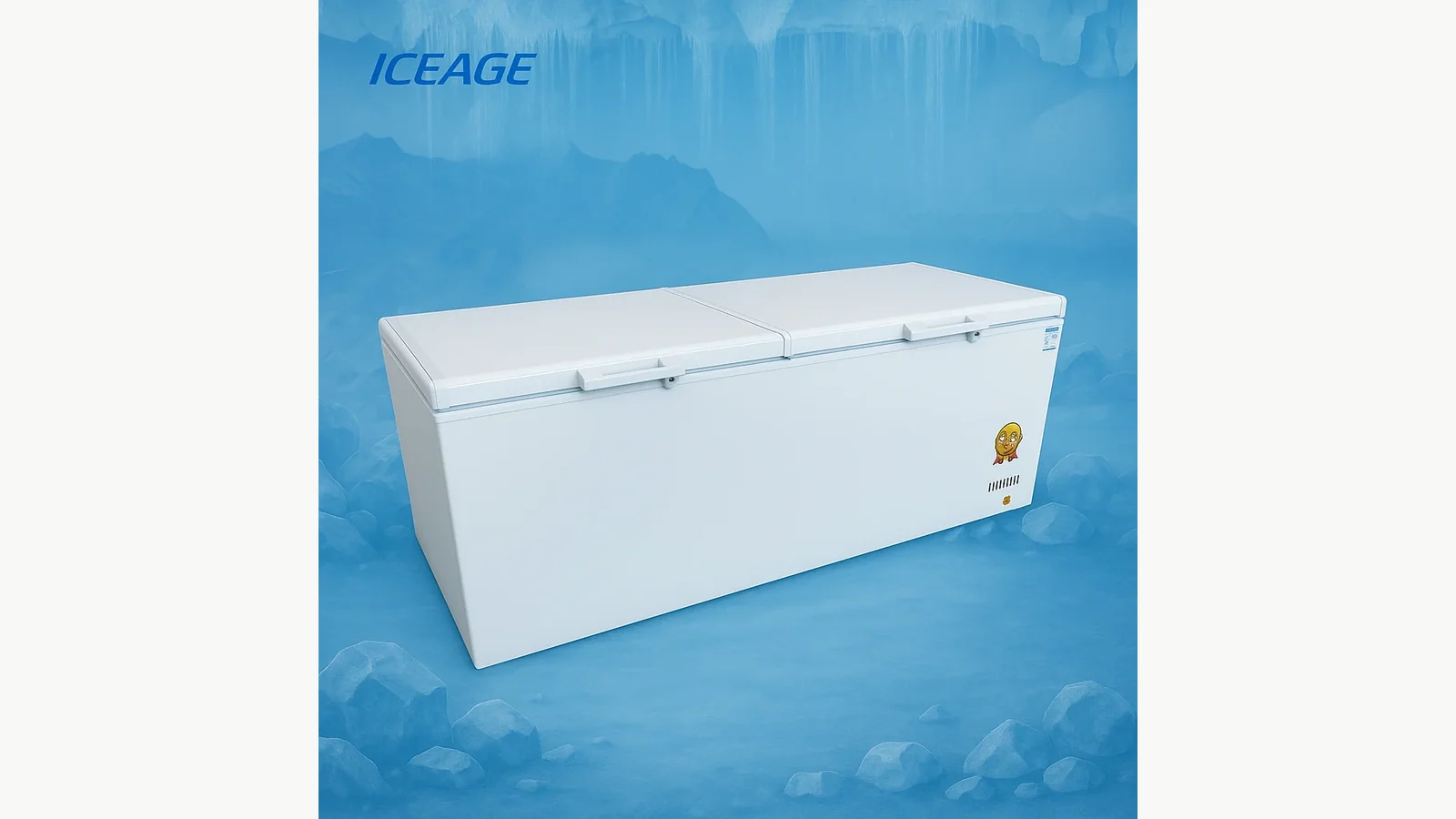
The ICEAGE commercial chest freezer range lists eleven models from 150 L to 1300 L, including a double-temperature option and the IA-1110 special deep-freezing model. A mixed order must preserve those distinctions.
Avoid combining “small,” “medium,” and “large” units into broad packing-list descriptions. Use the exact model code as the primary key, then place the supplier-listed specification beside it for checking.
| Model example | Listed capacity | Listed temperature range | Listed outside size (mm) | Why identity matters |
|---|---|---|---|---|
| IA-750 | 150 L | -20–0°C | 750 × 560 × 890 | Small cabinet; must not be counted as a generic 250 L unit |
| IA-990 | 250 L | -20–0°C | 990 × 560 × 890 | Shares depth and height with IA-750 but has a different length and capacity |
| IA-1460 | 450 L | -24–0°C | 1460 × 730 × 900 | Single-temperature model must stay separate from the similarly named double-temperature version |
| IA-DOUBLE TEMP 1460 | 450 L | -24–0°C listed | 1460 × 730 × 900 | Configuration identity cannot be inferred from outside dimensions alone |
| IA-1110 | 358 L | -40–0°C listed | 1110 × 730 × 900 | Special range belongs only to this model and must not be generalized |
The manufacturer notes that specifications can vary by production batch. Attach the current approved datasheet revision to the purchase order and use that revision—not an older web screenshot—as the release reference.
Separate Commercial Quantity From Shipping Quantity
Three numbers often become confused:
- ordered quantity: how many units the buyer purchased by model;
- packed quantity: how many finished cartons or shipping units the supplier prepared;
- loaded quantity: how many verified packages entered the specific shipment.
These numbers may be equal, but the documents should not assume that they are. A unit may be held back after inspection, an accessory carton may travel separately, or a shipment may be split. The packing list should show ordered and shipped quantity by model, with any balance clearly identified.
A practical row contains purchase-order line, supplier model code, buyer SKU if used, product description, capacity, configuration, voltage and frequency for the destination order, plug option, color or branding revision, packed quantity, gross and net weight, packed dimensions, carton count, accessory package, and carton-mark code. Values that have not been confirmed remain blank or marked pending; they should not be copied from another model.
The guide to chest freezer model and capacity documentation for importer reorders provides the longer-term identity record. For the current shipment, the same model key must appear on every release document.
Make Carton Marks Useful at the Warehouse Door
A carton mark should let the receiving team separate models without opening every package. At minimum, agree the visible model code, purchase-order reference, package number, destination, gross handling unit count, and any buyer SKU. Voltage or plug information can be included where the approved artwork and supplier process support it, but the physical rating label remains the authoritative equipment record.
Use a package sequence such as “IA-990 / PO-123 / 07 of 18,” not an untraceable “Freezer / 07.” If accessories travel inside the cabinet or carton, state their documented location. If a separate accessory carton covers several units, give it its own packing-list row and link it to the relevant model quantities.
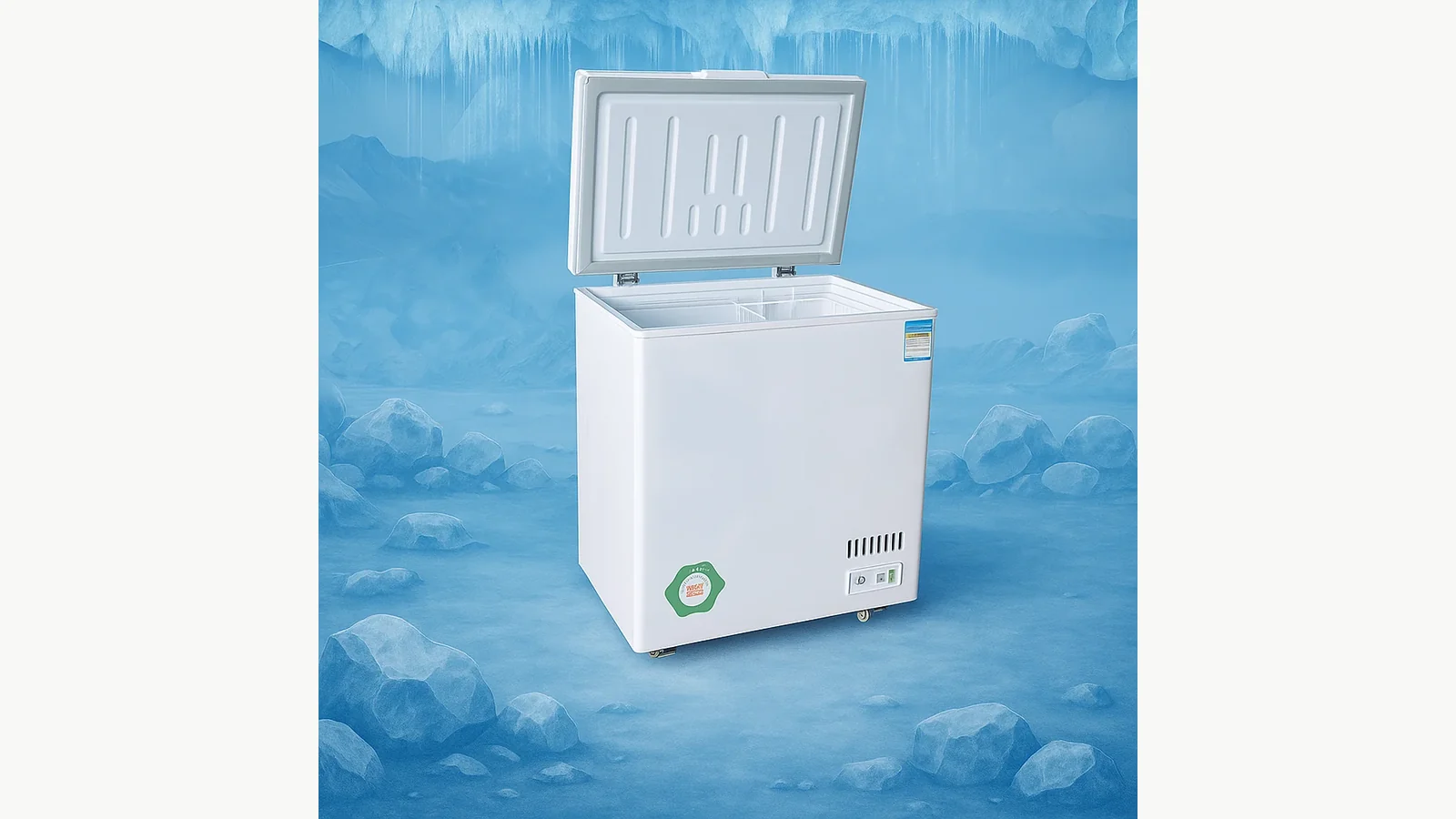
Before loading, approve a clear photograph of each model's carton mark and rating label. The image should be readable and linked to the production or inspection record. One sample photo for the whole order is not enough when several model codes are included.
Treat Exception Models as Separate Lines
Mixed shipments become risky when one model has a special configuration. The IA-DOUBLE TEMP 1460 and IA-1110 are examples of why names, listed ranges, and configuration fields must remain visible.
The IA-DOUBLE TEMP 1460 shares the listed 450 L capacity and outside dimensions of the IA-1460, so exterior size alone cannot prove the internal configuration. The IA-1110 is the only model in the recorded range with a listed -40–0°C range. That value must never be copied into a family-level description for the other cabinets.
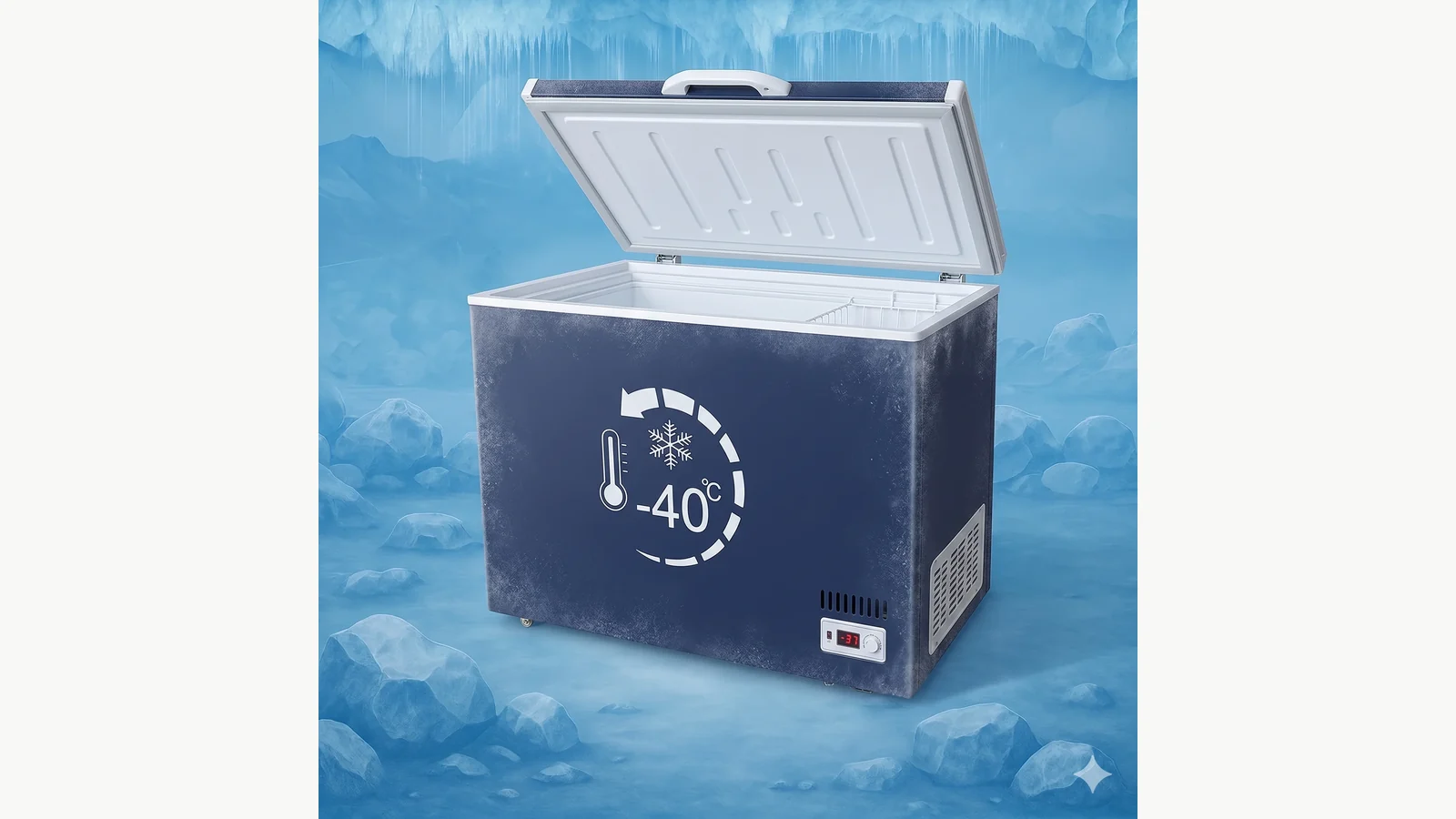
For each exception model, add a release note identifying the exact datasheet, control configuration, accessory list, rating-label check, and buyer allocation. If a customer order requires a special range or dual-temperature layout, the warehouse allocation should reference the model code rather than a handwritten comment such as “cold one” or “double.”
Plan Loading and Unloading From the Same Sequence
The supplier's loading plan should show package position by model or package number. The importer then uses the reverse sequence to prepare unloading space. This does not mean the buyer should dictate a load pattern without engineering and transport information. It means the approved loading record must be legible enough to support receiving.
Before arrival, prepare named zones for each model family and an exception area for unidentified or visibly damaged packages. Give the receiving team the final packing list, carton-mark legend, purchase-order comparison, and contact path for discrepancies.
At unloading, record:
- container or shipment identity and seal condition where applicable;
- package number and visible model code;
- carton condition before movement changes the evidence;
- destination zone by model;
- shortages, overages, duplicate marks, or unreadable labels;
- accessory cartons and the models they serve;
- items held for document or condition review.
A mismatch should never be resolved by relabeling from appearance. A long white cabinet could represent more than one listed capacity or configuration. Hold the package, photograph the existing labels, and reconcile it against supplier records.
Close the Shipment With a Three-Way Reconciliation
After unloading, compare purchase order, final packing list, and physical receiving count. Reconcile by model code, not only total units. Then add the rating-label sample, visible-condition record, and accessory count for each row.
The shipment closes only when every ordered model is accounted for as received, short, over, damaged, held, or backordered. The same status should feed dealer allocation and reorder records. This prevents a document discrepancy from becoming a customer delivery error weeks later.
For the supplier inquiry, send the proposed model mix, quantity by model, destination market, voltage and plug requirement, branding, accessory expectations, packing preferences, inspection requirement, and requested shipping documents. Ask for current packed dimensions and weights before approving any container plan. A mixed-model order is manageable when the paperwork preserves every difference the buyer is paying for.
Related Reading
- Chest Freezer Receiving Inspection After Transit covers cabinet, lid, interior, and accessory checks once the packages arrive.
- Chest Freezer Voltage, Plug and Packaging Details helps keep destination electrical and packing requirements attached to the correct model.
- Ghana Chest Freezer Dealer Stock Reports shows how model-level receiving data can continue into dealer inventory and reorder evidence.