
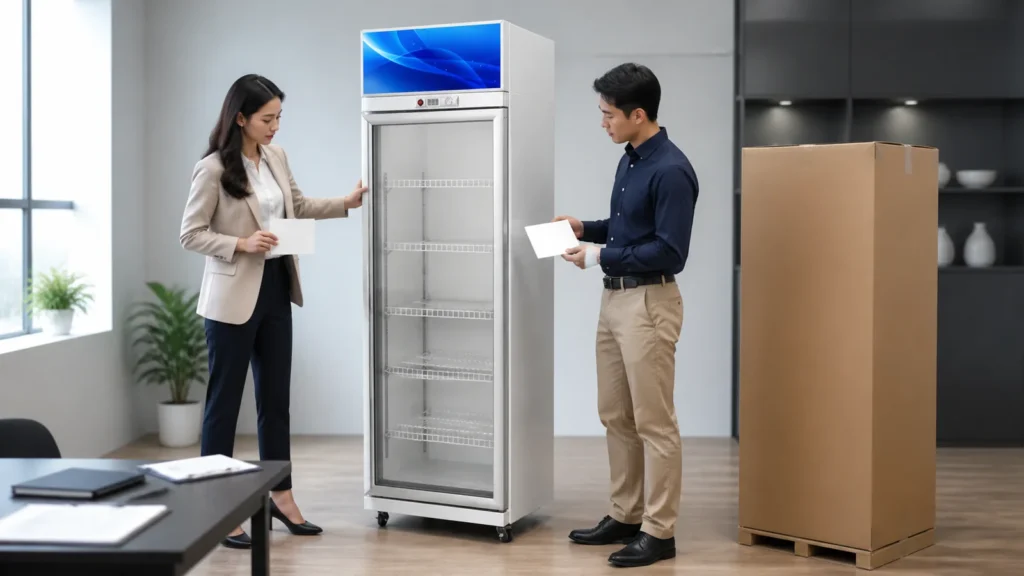
A dealer can like a beverage cooler sample and still leave the bulk order undefined. Was the approval for the one-door cabinet only, or also two- and three-door models? Were shelf count and positions reviewed? Was the light box artwork final? Did the dealer approve body color but not plug, voltage, packing or documentation? A sample approval register turns a visual decision into controlled fields linked to a model, revision, photographs, open issues and the purchase order.
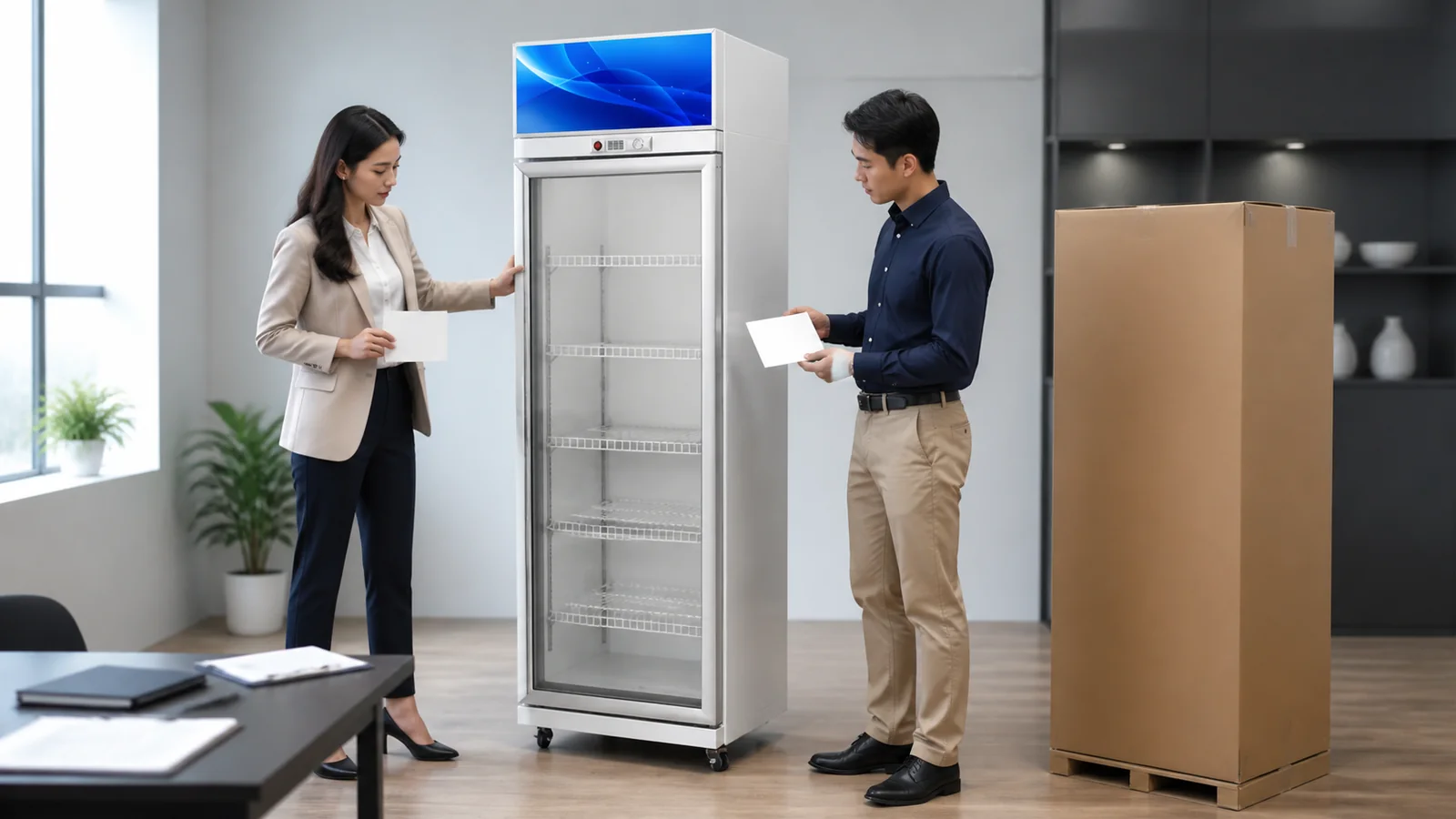
Identify the Exact Sample
Record sample ID, beverage cooler model, door count, capacity and outer size from current verified documents, order or sample reference, manufacture or shipment identity where available, options, document revision and location. Photograph front, both sides, rear as accessible, interior, shelves, doors, light box and labels.
Never let one sample approve the complete range. Single-, double- and three-door models require their own applicable records or an explicit model-by-model approval schedule.
Create an Approval Matrix
Group fields into cabinet structure, door configuration, shelves and supports, interior arrangement, visible finish, light box and artwork, labels, electrical selections, plug, documentation, packing and commercial quantity. Mark approved, rejected, revise and resubmit, evidence pending or not reviewed.
If a field is absent from the matrix, it should not become approved by default. Attach the exact evidence or reference used for each decision.
Review Physical Structure and Retail Tasks
Compare key dimensions and visible structure with the controlled model sheet. Open doors under normal safe conditions, check visible alignment, review shelf identity and positions, and simulate empty product placement using representative packages. Record observations without claiming shelf load, cooling or energy performance.
Use the dealer's real retail categories and restocking workflow. A sample that looks good empty may need a revised shelf plan for the intended packaged drinks or chilled products.
Control Artwork and Appearance
Record body color reference, visible trim, light-box configuration, final artwork file name and revision, placement, proof or sample approval, label language and logo ownership. Keep approved photographs under defined viewing conditions.
Artwork approval does not approve cabinet performance, and a cabinet approval does not approve a later artwork revision. Maintain separate linked decisions.
| Approval Group | Sample Check | Bulk-Reorder Control |
|---|---|---|
| Identity | Model, door count, revision | Exact SKU and order line |
| Structure | Cabinet, doors, shelves | Released drawing/options |
| Retail use | Empty package and workflow review | Approved shelf plan |
| Appearance | Color, trim, light box | Controlled visual references |
| Electrical | Documented voltage/frequency/plug | Exact destination schedule |
| Packing | Sample package and included items | Bulk packing specification |
Verify Electrical and Technical Documents
Use the current model documents and the destination schedule to confirm voltage, frequency, plug and other contracted electrical fields. Qualified reviewers should assess technical and regulatory evidence required for the transaction. The beverage cooler RFQ guide lists the buyer inputs.
Never apply one sample's electrical configuration to every market or dealer location. Never invent certificates, energy figures or performance results.
Inspect Packing and Loose Parts
Record sample outer and inner protection, glass protection, shelf and support packing, loose-part list, labels, documents and carton marks. Decide which fields the bulk order must reproduce and which require improvement. Photograph the pack sequence when available.
A sample delivered by a special method may not represent bulk packing. Release a separate production packing specification and reconcile it at first shipment.
Release the Bulk Reorder and First Unit
Issue the signed approval matrix, final model schedule, artwork revisions, electrical destination table, shelf plan, packing specification, open issues and effective purchase-order revision. Require written review for substitutions.
Inspect the first bulk unit or pre-shipment sample against the release before relying on the full batch. Record differences and disposition. Preserve the approved dealer sample or a controlled evidence set for future reorders.
Use a Golden-Sample Custody Record
If the dealer and supplier agree to retain the approved sample, assign a golden-sample ID, custodian, location, condition baseline, protected storage method, permitted access and review date. Photograph cabinet, doors, shelves, light box, labels and visible finishes under agreed conditions. Attach the signed matrix and document revisions without placing uncontrolled stickers over product features.
Record every movement, display use, adjustment, part removal, cleaning event or damage that could change the sample. A showroom unit that has been restocked and modified for months may no longer represent the approval baseline. When physical retention is impractical, preserve a controlled evidence set and signed reference samples for appearance fields.
Before a later reorder, verify that the golden sample and documents still represent the current released product. If a legitimate revision exists, approve it separately and retire the old baseline with an effective date. This custody discipline prevents an aged or altered sample from silently controlling new production.
Give the Approval Matrix an Effective Order Scope
State the models, door counts, destination configurations, quantity range or order, artwork revision and packing revision covered by the approval. Exclude later models and substitutions unless reviewed. Procurement attaches the matrix to the bulk purchase order, while quality uses it for first-unit verification. The sample then controls a defined transaction instead of becoming a permanent informal promise. Record the expiry or review trigger for artwork, electrical destination or model changes so an old matrix cannot release a materially different reorder.
Audit Dealer Expectations Before the First Bulk Delivery
Return the final model, door count, color, artwork, shelf plan, electrical configuration, packing and included-part schedule to the dealer before dispatch. Ask them to compare it with the approved sample record and acknowledge any documented production variation. Delivery teams should not be expected to resolve sample disputes at the site. If the dealer's memory differs from the matrix, pause and review evidence. This confirmation protects the first bulk handoff without turning a visual preference into an unsupported technical claim. Include photographs of the first packed bulk unit and its label where the agreement permits, then link dealer confirmation to the dispatch record and receiving checklist. Ask the receiving dealer to verify identity and package condition before removing protective materials, and route any difference back to the same approval matrix rather than creating a separate informal complaint.
Buyer Checklist
- Identify sample model, door count, options, and revision.
- Use an approval matrix with unreviewed fields visible.
- Review cabinet, doors, shelves, and retail tasks.
- Control color, light box, artwork, logo, and labels separately.
- Confirm destination electrical fields through current documents.
- Release bulk packing and loose-part requirements.
- Verify the first bulk unit against the sample record.
Frequently Asked Questions
Can one one-door sample approve three-door coolers?
Only through an explicit model-by-model review; never assume structure and options transfer.
Does visual approval confirm cooling performance?
No. Use model-specific documents and qualified evidence for technical fields.
Can the dealer approve through a chat message?
Capture the decision in a revision-controlled matrix linked to the exact sample and order.
Related Product or Reading
A commercial chest freezer is the separate related product for frozen storage. Keep its solid or glass lid, basket and temperature options outside a beverage-cooler approval.
Discuss the Exact Project
Send IceAgeFreeze the sample ID, model and door count, shelf plan, appearance and artwork references, destination electrical schedule, packing list, quantity, order revision, and approval matrix.