
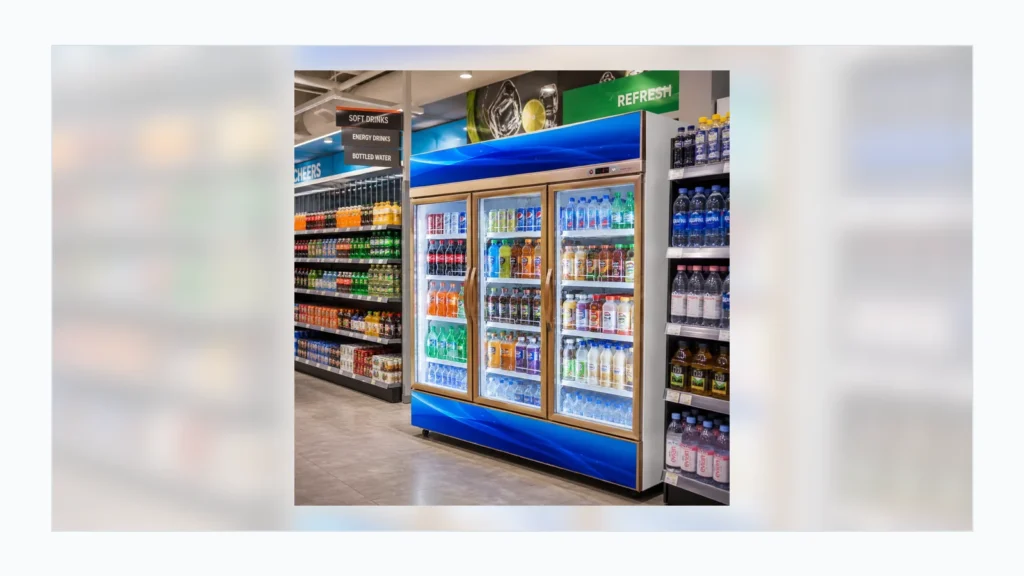
Beverage cooler door count should be planned around retail space, product range and customer traffic. A single door cooler can be enough for a compact shop. A double door cooler gives more display width for a dedicated beverage area. A three door cooler supports larger product ranges in high-traffic stores.
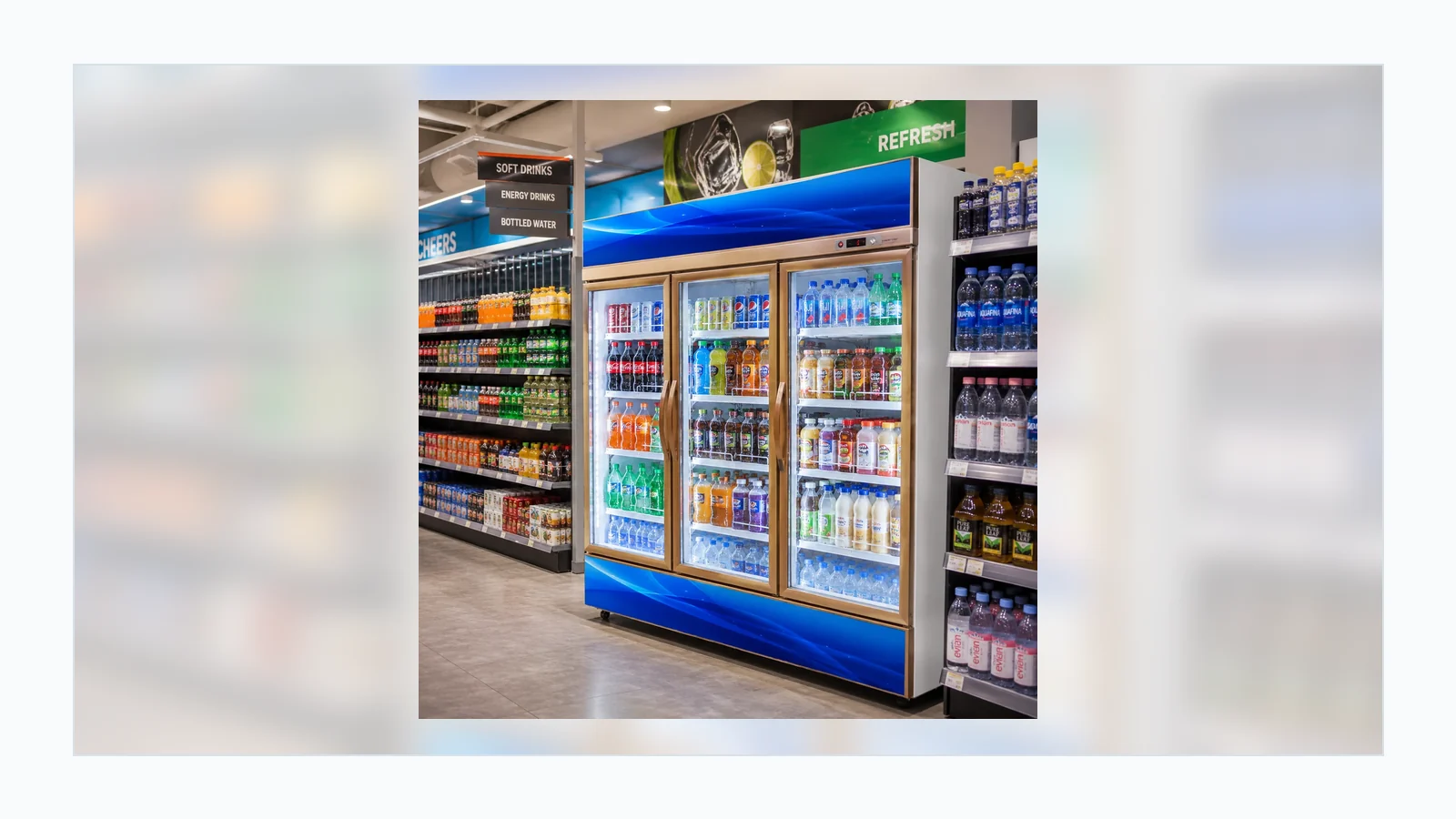
Ice Age lists its beverage cooler series with single door, double door and three door models. The product page shows 400 L, 875 L and 1300 L options, a 0~10 C cooling range, LED lighting, adjustable shelves and OEM customization such as logo, light box, voltage, shelf layout and color. This guide explains how a buyer can turn those options into a practical retail choice.
Compare Door Count by Store Situation
Door count is not only a size decision. It changes the way customers see products, how staff restock shelves and how much space the cabinet takes in the store. A wider cooler may improve product visibility, but it also needs more wall length and a suitable customer browsing area.
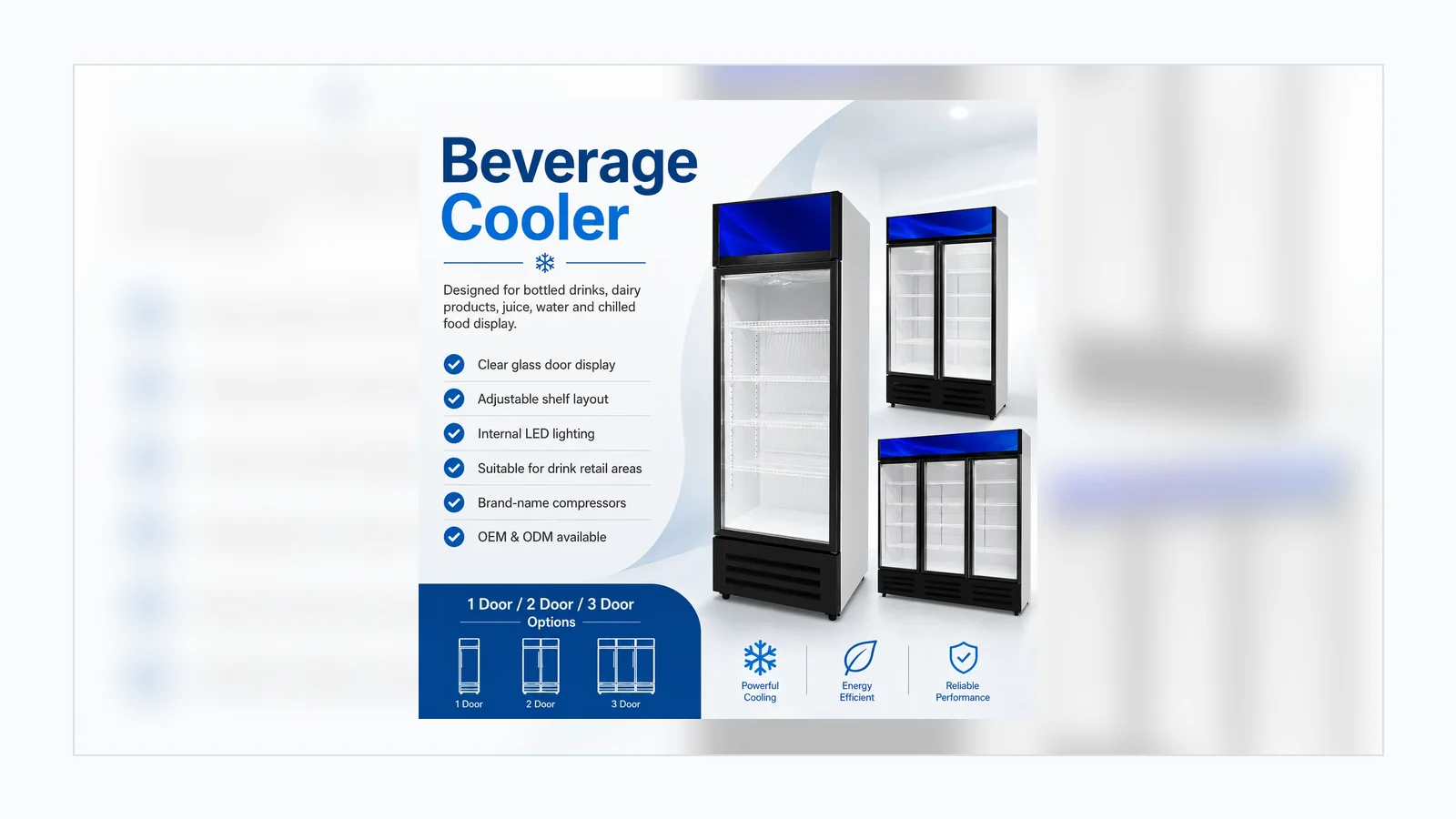
| Model Direction | Listed Volume | Typical Retail Fit | What to Confirm |
|---|---|---|---|
| Single door | 400 L | Small convenience stores, deli counters, compact drink corners | Width, shelf count, product assortment and door swing area |
| Double door | 875 L | Medium beverage sections or higher SKU variety | Shelf grouping, restocking rhythm and visible product blocks |
| Three door | 1300 L | Supermarkets and high-traffic retail areas | Store aisle width, delivery route and full product plan |
Use the table as a planning guide, then confirm the exact model details with the supplier. The product page lists outer sizes of 600 x 620 x 2050 mm, 1200 x 620 x 2050 mm and 1800 x 620 x 2050 mm for the three door counts.
Plan Shelf Layout Before Ordering
A beverage cooler works best when the shelf layout matches the main packages. Bottled water, cans, juice, dairy drinks, yogurt drinks and chilled snacks do not use shelf space in the same way. If shelf spacing is wrong, products may be hard to see or difficult to restock.
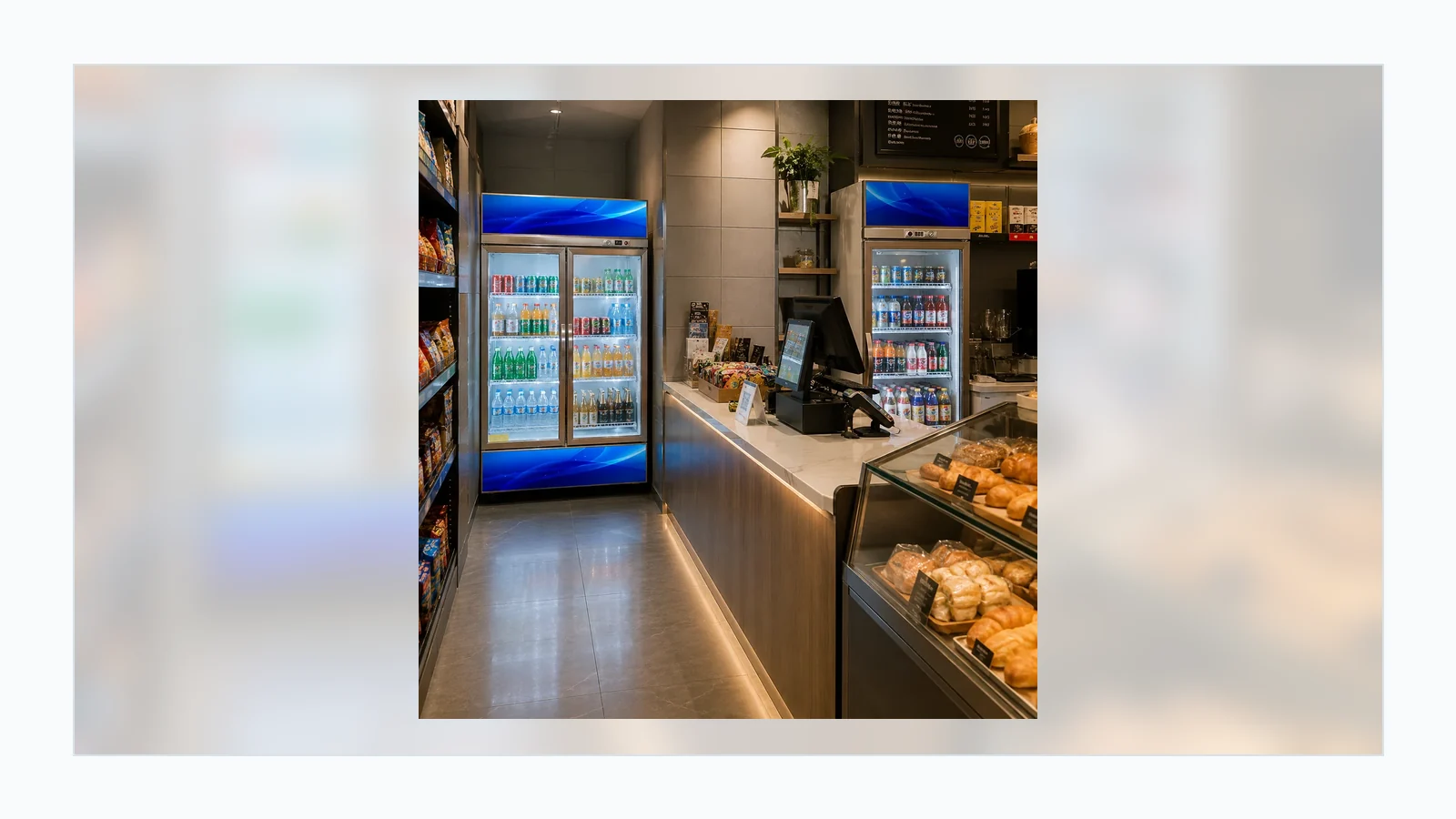
Ask these questions before quotation:
| Shelf Question | Why It Matters |
|---|---|
| What are the main bottle or can heights? | Shelf spacing should fit the actual packages |
| How many product groups need separate blocks? | Clear grouping helps customers scan the cooler |
| Will staff restock during business hours? | Restocking workflow affects aisle placement |
| Are chilled snacks included? | Mixed products may need different shelf organization |
| Is the cooler used as a branded display? | Lightbox, logo and color choices should be confirmed early |
The beverage cooler page says the models include adjustable shelves and 5 layers or more. Buyers should still share package dimensions and product photos if shelf layout is important.
Match Product Category to 0~10 C Display
The product page lists a 0~10 C temperature range for the beverage cooler series. It is positioned for bottled drinks, water, juice, dairy beverages and chilled retail products. This is a chilled display category, not a frozen storage category.
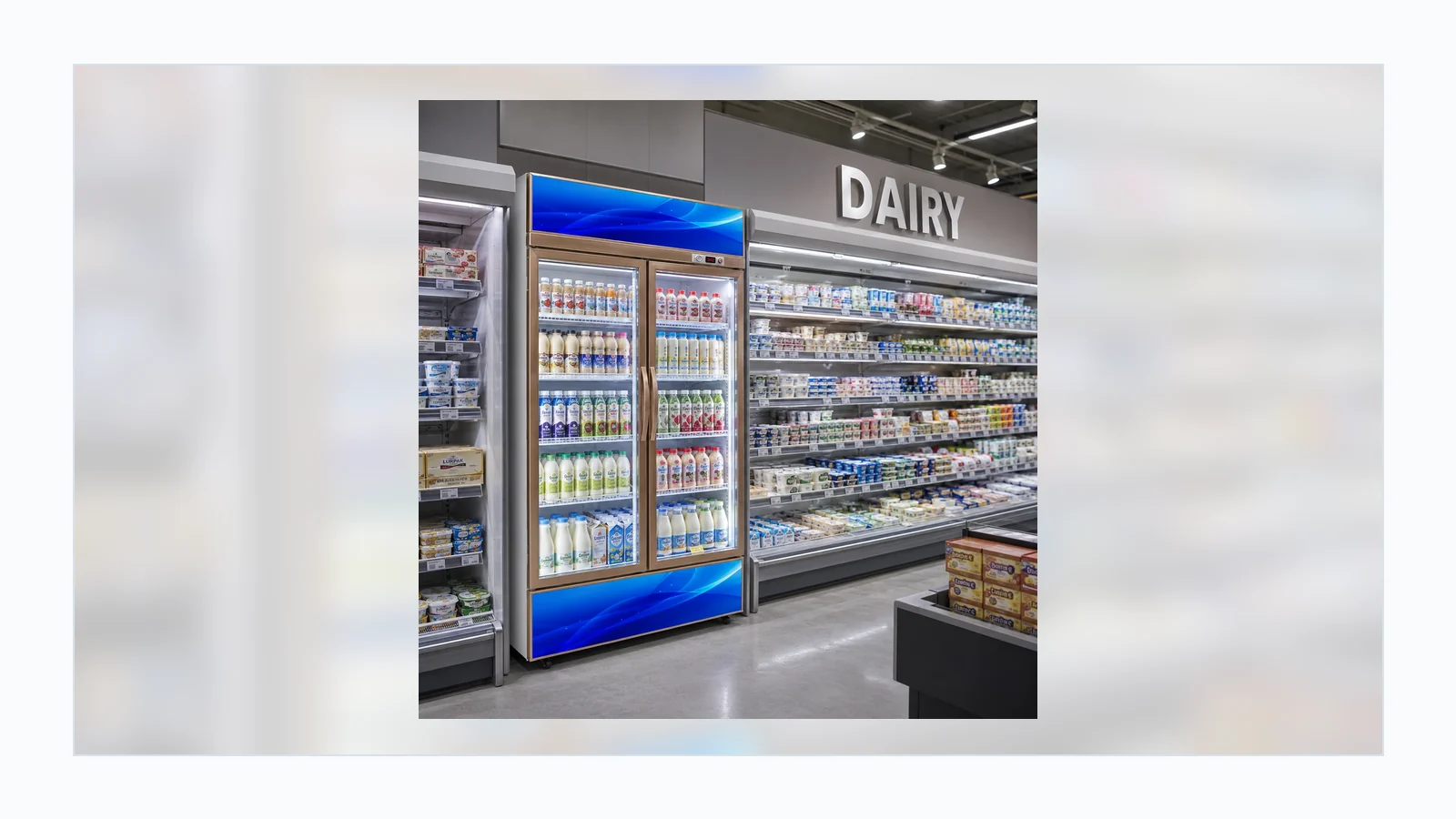
Do not use a beverage cooler as a substitute for a chest freezer. Frozen meat, seafood, ice cream and frozen meals belong in a freezer category. Chilled bottled drinks and dairy beverages belong in a beverage cooler category when the 0~10 C range fits the product requirement.
Consider Visibility and Buying Behavior
Glass door coolers are retail display equipment. Customers should be able to see product variety quickly. If the store has impulse drink sales, place the cooler where customers naturally pass. If the store sells dairy or chilled snacks, keep category blocks clean so customers do not need to search through mixed shelves.
Lighting also affects visibility. The Ice Age product page lists LED lighting for the beverage cooler series. Use lighting to support product clarity, but do not overload the shelves just because the cabinet is well lit.
Confirm OEM Branding and Market Requirements
For distributors, importers and retail brands, branding details can be as important as the cabinet size. Ice Age lists OEM options including logo sticker, light box design, voltage and plug options, door quantity options, shelf quantity adjustment and OEM/ODM support.
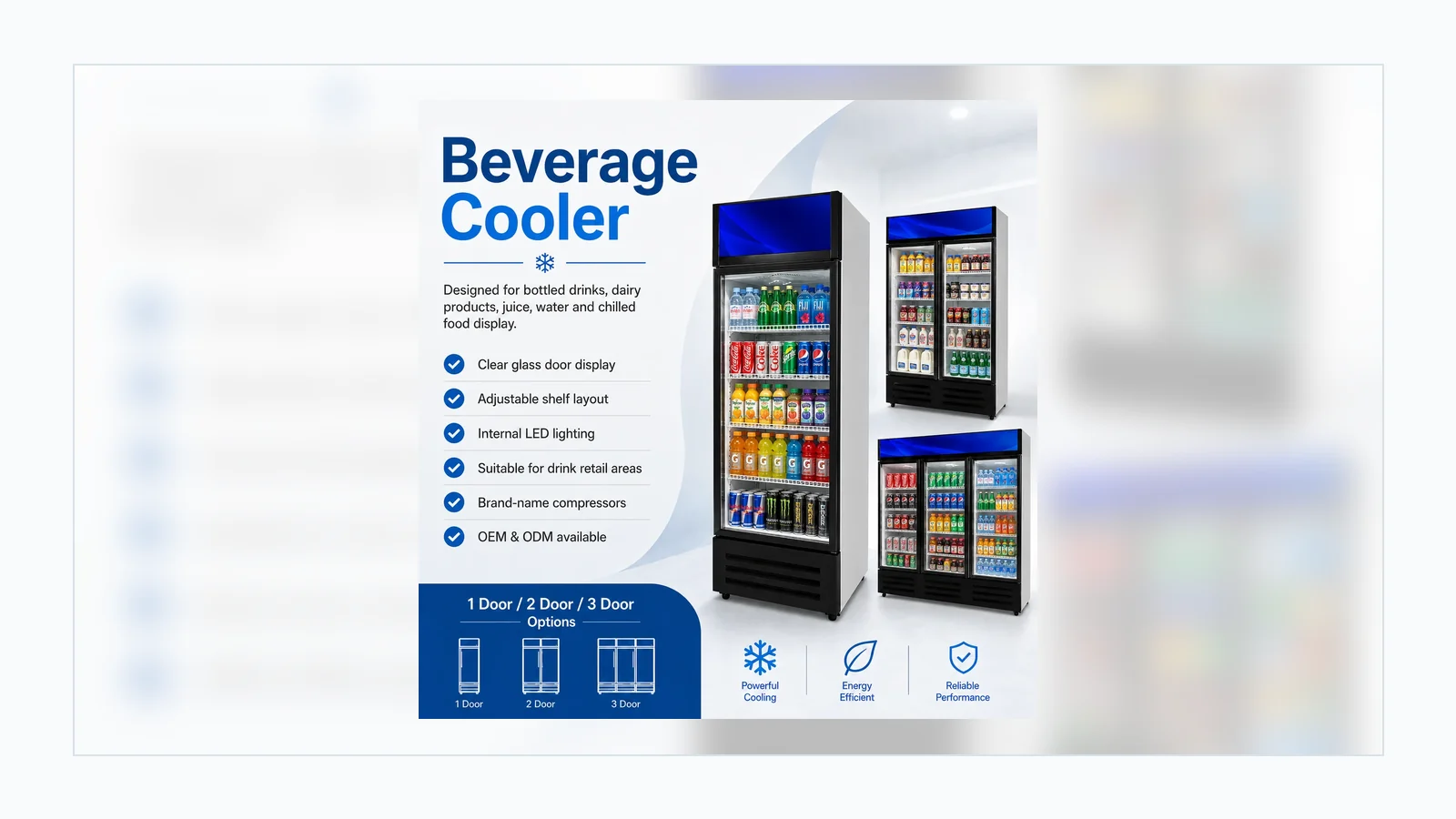
Before ordering, confirm whether the cooler needs a custom logo, brand lightbox, body color, plug type, voltage adaptation, packing requirement or market label. These details should be part of the RFQ instead of being discussed after the model is already chosen.
Common Selection Mistakes
One mistake is choosing a three door cooler for a store that cannot support the width. Another is choosing a single door cooler when the store needs too many beverage categories. A third is ignoring shelf layout and then discovering that bottles do not sit well on the planned shelves.
Buyers should also avoid comparing models only by volume. Compare outer size, inner size, door count, shelf plan, power, voltage and branding needs together.
FAQ
Which beverage cooler model fits a small store?
The site lists the 400 L single door model as the compact option. The buyer should still confirm aisle width, product range and restocking needs.
Is 0~10 C suitable for frozen products?
No. The 0~10 C range is for chilled beverages and chilled retail products. Frozen products should be planned with a freezer model.
Can the lightbox and logo be customized?
The beverage cooler product page lists logo sticker customization and light box design as OEM options. Confirm artwork, color and order quantity during quotation.
Send Product and Store Information
For a beverage cooler project, send your store type, product assortment, preferred door count, voltage, plug type, quantity and destination port through the Ice Age contact page. Clear details make model selection and quotation more useful.